
Water Purification Techniques
Learning about water purification is one of the most important techniques everyone should learn. Purifying water is also not as difficult as one may think, in fact there are many simple ways to make sure you have the skills to get and maintain a fresh source of water where ever you are at. Many of these can be used in conjunction to double and triple check to make sure your water is solid, but in a pinch many of them alone work just as fine.
1. Portable Filters:
Portable filters are some of the most common ways of purifying water. They are easy to use and the mobility provides one of the best ways to purify water anywhere.
2. Microfiltration Filters:
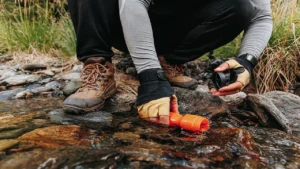
Microfiltration filters use a fine mesh to physically strain out particles and bacteria from water. They are effective against protozoa and bacteria but may not remove viruses. Popular brands like Sawyer and LifeStraw offer lightweight and durable options for bug-out bags and hiking.
3. Activated Carbon Filters:
Activated carbon filters are excellent at removing chemicals, odors, and bad taste from water. While they may not be as effective against bacteria and viruses, they complement other filtration methods. Brands like Grayl produce water bottles with activated carbon filters, allowing for quick and easy purification.
4. Pump Filters:
Pump filters use manual pumping to force water through a filtration system. These filters are highly effective against a wide range of contaminants, making them suitable for filtering larger quantities of water. Katadyn and MSR are reputable brands known for their durable pump filters. This water purification technique is the one I use when Im on hikes. Getting a solid pump is a hell of a lot easier than trying to use a squeeze bag to fill up a camel bag.
5. Chemical Treatments:
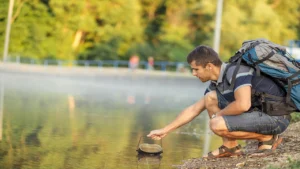
When carrying a physical filter is impractical, or when faced with limited resources, chemical treatments offer a reliable alternative. Chemical purification methods work by killing or neutralizing harmful microorganisms in the water. Here are two standard chemical treatments that will work but may leave a weird taste in your mouth.
Chlorine Tablets
Chlorine tablets, such as those produced by Aquatabs or Katadyn Micropur, are a lightweight and cost-effective solution. These tablets release chlorine into the water, effectively disinfecting it. Make sure to follow the proper dosage when using them.
Iodine Drops
Iodine drops are another chemical treatment option. They are compact and easy to carry, making them suitable for emergency kits. However, some people may be sensitive to the taste of iodine-treated water, and it is not recommended for pregnant women or individuals with thyroid conditions.
6. DIY Solutions:
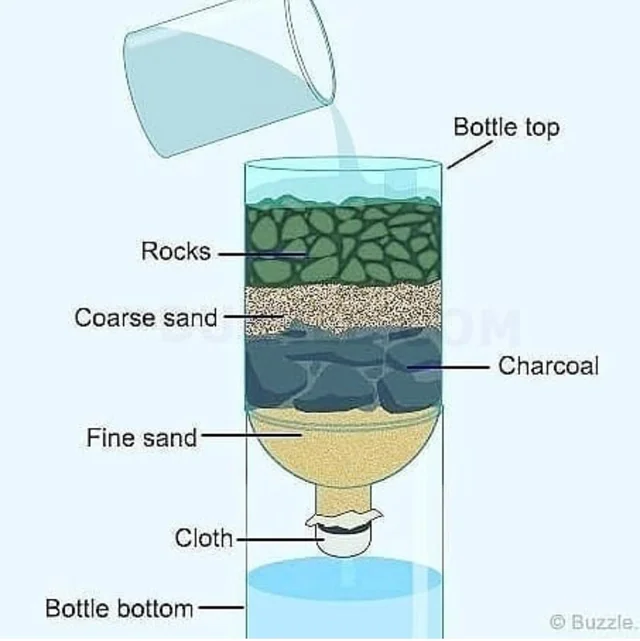
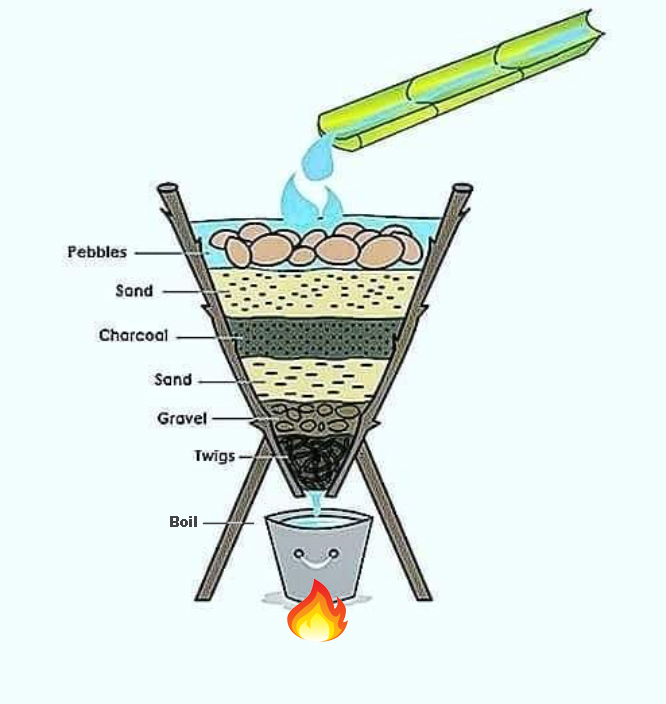
If you’re out of chemicals or your filters are bad you’re not out of luck yet. You can make a water filter out of some common materials typically found around you. These filters will work but being able to boil the water after using these filters will always provide you with safer drinking water. This method is one of the most tried and true ways of purifying water. Think about it, it’s using what the Earth does naturally at whatever time of day and year localized in your survival area.
7. Boiling:
The oldest and most tried and true method is to boil water. By brining it up to a roaring boil for a minute (longer at higher altitudes) you kill everything that maybe present in the water. However, it does not remove any chemicals or affect the taste. If you can, use this in conjunction with the other filter options. The more you do, the safer it becomes.

8. Solar Water Disinfection (SODIS):
SODIS is a low-cost method that uses sunlight to disinfect water. Clear plastic or glass containers are filled with water and exposed to direct sunlight for at least six hours (or longer on cloudy days). The ultraviolet rays kill the microorganisms, providing a straightforward, eco-friendly purification solution.
Conclusion Of Water Purification Techniques
Water purification is one of those skills you can’t afford to not learn. Especially since its pretty easy to do so and test out yourself anytime and anywhere. Water purification is not the only thing that should be learn, a skill that pairs well with it is learning how to store the water for maximum water capabilities.