
Self Defense
Self-defense is about being ready when it matters most. Build the skills, awareness, and confidence to protect yourself and those you care about. Preparation gives you options when seconds count, helping you recognize threats, respond effectively, and take control when the unexpected happens.
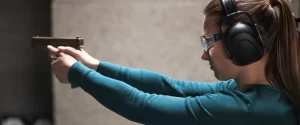

What Every First-Time Gun Owner Should Know
Buying your first firearm is a big step. Whether you purchased a gun for home defense, concealed carry, hunting, target shooting, or simply exercising your
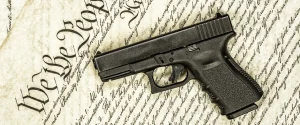
What Is a 4473? ATF Form 4473 Explained for Gun Buyers
If you’ve ever purchased a firearm from a federally licensed firearms dealer, you’ve probably heard someone say, “You’ll need to fill out a 4473.” For
What is the best self-defense tool to carry?
There is no single best option for everyone. Firearms, knives, pepper spray, personal alarms, flashlights, and other EDC tools each have different advantages and limitations. The best choice is one that is legal for you to carry, appropriate for your situation, and something you have trained to use safely and responsibly.
Should I carry a firearm for self-defense?
A firearm can be an effective defensive option, but carrying one comes with serious responsibilities. Learn your local laws, understand safe handling and storage, choose appropriate equipment, and seek professional training before carrying a firearm for personal protection.
What should I look for in a concealed carry firearm?
Prioritize reliability, safe operation, manageable recoil, comfort, and your ability to handle the firearm confidently. Size and capacity matter, but the firearm you can safely carry and competently operate is generally more useful than simply choosing the smallest or most powerful option.
What EDC items are useful for personal protection?
A defensive EDC setup can include more than a firearm. Depending on your needs, consider a powerful flashlight, folding knife, pepper spray, personal alarm, medical supplies, tourniquet, communication device, and other practical everyday tools.
Is a knife a good self-defense tool?
A knife can have defensive applications, but it also introduces significant legal, safety, and practical considerations. Knives are often more valuable as versatile EDC tools for everyday cutting tasks. If you intend to carry one for personal protection, understand your state and local laws and seek qualified training.
What are some non-lethal self-defense options?
Common less-lethal or non-lethal options include pepper spray, personal alarms, high-output flashlights, and certain electronic defensive devices where legal. These can provide additional options when deadly force would not be justified or when you simply don’t want to carry a firearm.
Is pepper spray worth carrying if I already carry a firearm?
Yes. Carrying a firearm doesn’t mean every dangerous situation calls for one. Pepper spray can provide an additional defensive option for situations involving aggressive individuals or animals where deadly force may not be necessary or legally justified.
What is the most important part of self-defense?
Awareness and avoidance. Recognizing potential problems early, maintaining distance, avoiding unnecessary confrontation, and knowing when to leave can prevent many situations from becoming physical in the first place.
What does situational awareness mean?
Situational awareness means paying attention to your environment and recognizing unusual behavior or potential problems before they develop. That can include knowing where exits are, limiting distractions, noticing who is around you, and trusting your instincts when something doesn’t feel right.
Should I carry medical equipment with my self-defense gear?
It’s a smart addition. If you carry tools designed for emergency situations, consider carrying equipment for treating serious injuries as well. A compact trauma kit with items such as a tourniquet, pressure dressing, and gauze can complement a preparedness-focused EDC setup.
How often should I train with my self-defense equipment?
Regularly enough that you remain familiar with it. Firearms, pepper spray, medical equipment, flashlights, and other defensive tools require different skills. Periodic professional training and practice can help you understand both your equipment and its limitations.