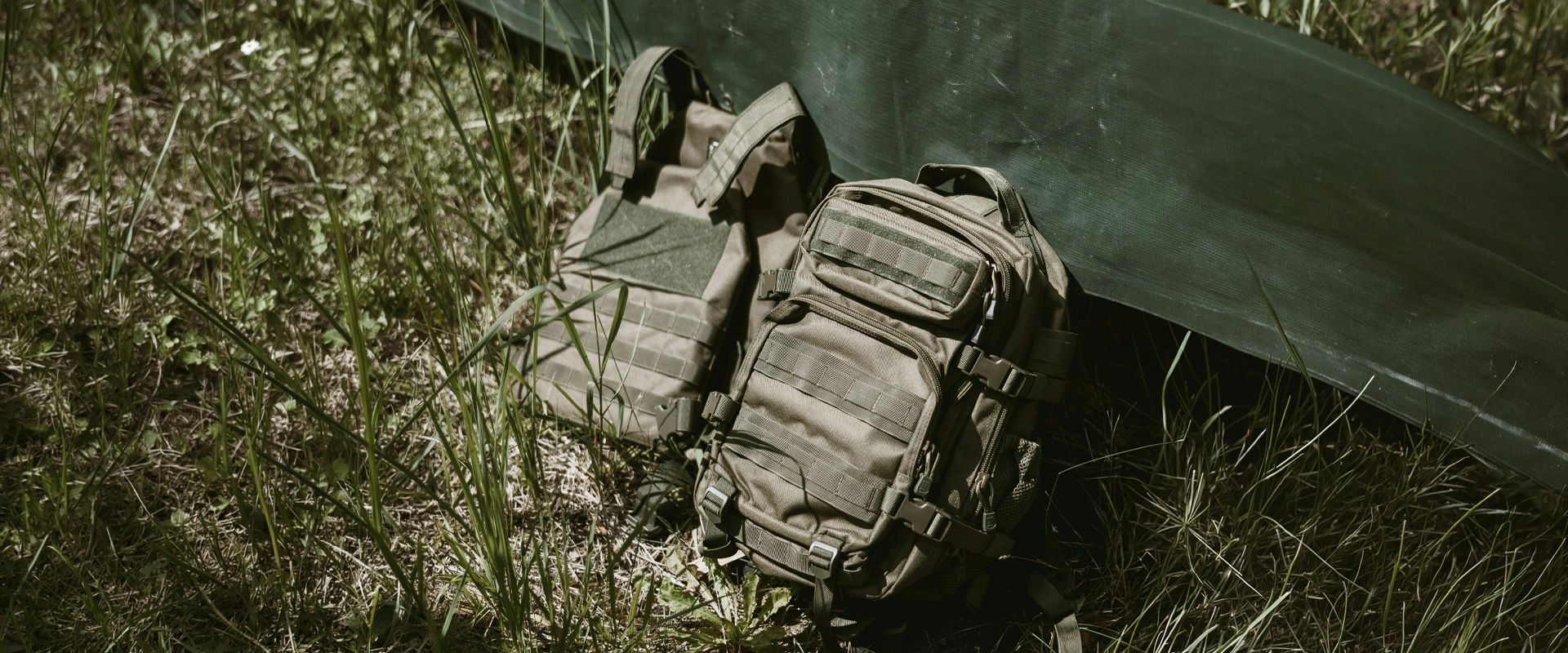
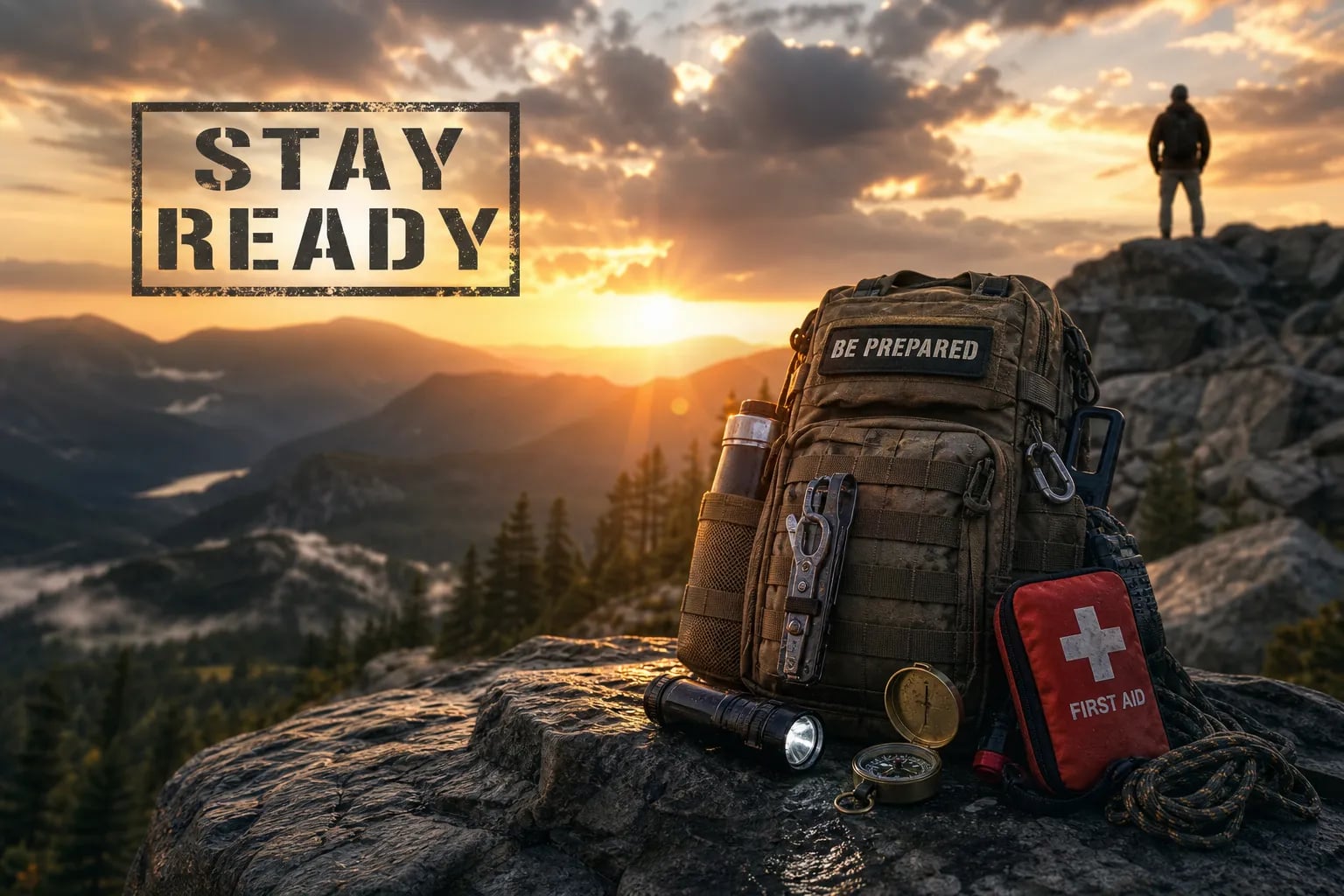
Picture this: a winter storm knocks out power across your county, roads are closed, and the utility company is estimating three to five days before service is restored. Your phone is down to 20% battery. You have half a box of cereal, two bottles of water, and no plan. That moment of panic is exactly what a well-built 72-hour kit prevents. These survival kit essentials aren’t about doomsday prepping or preparing for the apocalypse, they’re about having a practical baseline so that when the lights go out, your household keeps moving.
This article covers 10 specific items every emergency preparedness kit needs, ranked by priority. You’ll get exact quantities, first aid requirements for households with chronic conditions, customizations for babies and pets, and a maintenance schedule that actually fits into a normal life. The goal is a complete framework you can act on today.
Survival Kit Essentials: Water and Food First
Every other item on this list becomes secondary the moment water runs out. Without water, decision-making suffers, cooking and sanitation become difficult, and stress compounds fast. Start here, build this foundation first, and everything else falls into place.
1. Water storage done right
The standard recommendation from FEMA and the Red Cross is one gallon of water per person per day. For a 72-hour kit, that means three gallons per person total. A family of four needs 12 gallons minimum, stored in sealed commercial bottles or food-grade jugs kept away from heat sources and direct sunlight. Heat shortens shelf life and can degrade container materials, so a cool interior closet or basement shelf is the right location. Inspect your supply every six months and replace it within 12 months. This is the simplest item on the list to prep, and still the one most households skip.
2. Three days of nonperishable food per person
Caloric density matters more than variety when you’re building a go-bag or home emergency kit. Adults generally need substantially more than a handful of granola bars to sustain energy through three days of disruption. ReadyWise emergency meals, which Survival Ready carries both in-store and online, are purpose-built for this: long shelf life, solid caloric content, and easy preparation. Canned goods and energy bars work well as supplements, but build your base around options that actually fuel your household through an outage, not just snack-level calories.
3. A manual can opener and eating basics
A manual can opener makes your entire canned food supply accessible without electricity, and it costs next to nothing. Pack one with a lightweight spork or a basic utensil set and you have a complete eating setup that weighs almost nothing. It’s often overlooked in emergency supply lists, yet it’s what makes everything else in the food category actually usable, so don’t leave it out.
Survival Kit Essentials: First Aid and Medications
Most pre-assembled kits ship with a basic wound-care pouch, enough for a minor cut, not for a household managing chronic conditions during a multi-day emergency. This section separates the baseline from what households with ongoing health needs actually require.
4. A fully stocked first aid kit
A solid baseline first aid kit should include adhesive bandages in assorted sizes, sterile gauze pads and rolls, antiseptic wipes, antibiotic ointment, non-latex gloves, tweezers, scissors, an oral thermometer, and a first aid reference guide. Compact pre-assembled kits from reputable brands are a reasonable starting point, but they almost always need supplementing. Buy the kit as your foundation, then fill the gaps based on your household’s specific needs.
5. Prescription medications and chronic condition supplies
The target for any chronic condition is a 30-day prescription buffer stored in original containers with medication lists and dosing instructions. For households managing severe allergies, pack an epinephrine auto-injector. Asthma patients need their rescue inhaler. Diabetics need glucose tablets and monitoring supplies. Patients on blood thinners need more bandaging material than a standard kit provides, since bleeding control is more complicated for them. Inspect medications every three to six months and rotate them on the labeled expiration date without exception.
Shelter, Warmth, and Light When the Grid Goes Down
A power outage in January in western Pennsylvania is not the same as one in July. Temperature, weather conditions, and whether you’re sheltering in place or evacuating all shape what this layer of your kit needs to look like. Cover both scenarios and you’re prepared for either one.
6. Emergency shelter and thermal protection
For a go-bag or portable disaster preparedness kit, a compact space blanket or emergency bivy is the minimum thermal protection baseline. They weigh almost nothing and pack into a shirt pocket. For more serious shelter needs, an ultralight tarp or solo tent provides real weather protection, though setup requires some practice before you actually need it. Home kits benefit from a temperature-rated sleeping bag that handles the coldest realistic local temperature. Pack size and weight should drive every shelter decision for a portable kit. If you can’t carry it, it doesn’t help you.
7. Flashlights, headlamps, and backup power for batteries
A headlamp is the right choice for hands-free use during an emergency, whether you’re navigating a dark house, setting up shelter, or treating an injury. Alkaline batteries carry a 5 to 10-year shelf life unopened; lithium batteries push that to 15 years, making them the better long-term kit choice despite the higher upfront cost. Keep at least one hand-crank or solar-powered flashlight as a no-battery backup. Inspect all batteries every six months and replace any showing corrosion immediately.
Communication Tools, Documents, and Everyday Essentials
This is the layer most people skip because it isn’t exciting, and it’s the layer that determines whether you stay informed, legally operational, and practically functional when every normal system fails simultaneously.
8. A battery-powered or hand-crank emergency radio
When cell networks are overloaded during a regional disaster, NOAA weather radio broadcasts are often the only reliable source of real-time emergency information. A combined solar and hand-crank model covers both power-outage scenarios at home and go-bag portability on the move. This is a non-negotiable piece of any complete emergency supply list, and it’s one of the more affordable items you’ll add to your kit.
9. Copies of critical documents in a waterproof container
Pack photocopies of your government-issued ID, insurance cards, medication records, bank account information, emergency contacts, and a basic household inventory for insurance claims. Store them in a waterproof zip-lock bag or a dry bag rated for submersion. A USB drive with digital copies of the same documents adds a second layer of protection. If your home is destroyed, these documents are what you’ll need first.
10. Cash, a whistle, and a multi-tool
Electronic payment systems can be unavailable during outages, card readers and ATMs may not function when power or connectivity drops. Keep a small supply of small-denomination bills in your kit so you can transact when digital payment is offline. A whistle is your most reliable signaling tool: three short blasts is the widely recognized distress signal, per FEMA and Red Cross guidelines, and carries farther than a shouting voice. A quality multi-tool rounds out this layer by replacing a dozen single-function tools with one compact item that fits in a jacket pocket.
Tailoring Your Kit for Babies, Elderly Adults, and Pets
A standard 72-hour kit is calibrated for a healthy adult. Add a baby, an elderly parent, someone with a mobility limitation, or a dog, and the kit needs a dedicated secondary module. Build the core kit first, then add each person’s or animal’s module on top of it.
Additions for babies and young children
Add diapers sized to the current age, wipes, formula or expressed milk storage, baby-safe medications, extra clothing, a baby carrier for evacuation, and a pacifier or teething items for comfort. Keep immunization records in the waterproof document bag alongside adult records. Children’s needs change quickly with age, so revisit this module every six months as part of your regular rotation check.
Additions for elderly adults and people with disabilities
Extra hearing aid batteries, a spare pair of eyeglasses, any assistive device components, and mobility aid backup plans are the priorities here. Medications covered in section five apply directly. Map evacuation routes in advance that accommodate mobility limitations, and keep written instructions in the kit for any caregiver or first responder who might assist. The kit is only as useful as the person’s ability to move with it.
Additions for household pets
Three days of pet food and water, a collapsible bowl, a leash, current ID tags, a carrier or crate, and any pet medications round out the animal module. Keep a copy of vaccination records in the waterproof document bag. Not all emergency shelters accept pets, so your evacuation plan should identify pet-friendly options in advance.
Keeping Your Kit Current and Deciding Where to Start
A kit assembled three years ago with expired medications, corroded batteries, and outdated documents is not a survival kit. It’s a false sense of security. Maintenance is simple if you treat it as a scheduled task rather than an ongoing chore.
Rotation schedules by item type
- Water: inspect every 6 months, replace within 12 months
- Food and emergency meals: inspect every 6 to 12 months, rotate before the printed date; hotter storage shortens useful life significantly
- Batteries: inspect every 6 months, replace at the manufacturer’s date or at the first sign of corrosion
- Medications: inspect every 3 to 6 months, replace at the labeled expiration date
Set two calendar reminders per year and treat the rotation check as a single afternoon task. Tying it to daylight saving time changes is a practical way to make sure it doesn’t slip. The goal is a system that runs itself with minimal effort.
Build your own vs. buy pre-assembled: a practical take
Building from scratch gives you full control over quality and customization, and it’s usually cheaper per item when you source each piece individually. The downside is that it takes research time, and it’s easy to miss entire categories if you don’t have a complete checklist guiding you. Pre-made kits offer convenience and a solid baseline, but they sometimes include lower-quality versions of key items that you’ll want to replace anyway.
The smartest approach for most households is a combination: start with a curated kit that covers the foundation, then layer in the category-specific and family-specific items on top. Survival Ready, located on Merchant Street in Ambridge, PA, stocks the survival kit essentials covered in this article, from ReadyWise emergency meals and first aid supplies to tactical gear and survival tools, both in-store and online. For anyone unsure where to begin, the $20 Mystery Box is a low-commitment entry point: a curated selection of survival and tactical products shipped as a starter pack.
Your Next Step Starts with One Item
Here’s the condensed version of your survival kit essentials: water first (3 gallons per person), three days of calorie-dense food, a can opener, a stocked first aid kit, prescription medications with a buffer supply, thermal protection and shelter, lights with quality batteries, an emergency radio, waterproofed critical documents, and cash plus signaling tools. That’s the complete framework.
A survival kit isn’t a one-time purchase. It’s a living system that grows with your household and gets reviewed twice a year. The items that matter most are the ones you actually have when the power goes out, not the ones on a list you meant to buy. Pick the single item your home is missing right now and source it this week.
Whether you’re in the Pittsburgh area and can walk into Survival Ready on Merchant Street, or you’re anywhere else in the US and prefer to order online, the gear you need is available and ready to ship. Don’t wait for the next emergency to find out what you’re missing, your kit starts today.