Buying your first firearm is a big step. Whether you purchased a gun for home defense, concealed carry, hunting, target shooting, or simply exercising your right to own one, bringing it home is only the beginning. Being a responsible first-time gun owner means more than knowing how to pull the trigger. You need to understand how your firearm works, how to safely handle and store it, how to maintain it, and what laws apply to you.
The good news? You don’t need to become a firearms expert overnight. Start with the fundamentals.
1. Learn the Four Basic Rules of Gun Safety
Everything starts with firearm safety. These principles should eventually become habits you follow without even thinking about them.
The Four Rules of Firearm Safety
- Treat every firearm as if it is loaded.
- Never point a firearm at anything you aren’t willing to destroy.
- Keep your finger off the trigger until you are ready to fire.
- Know your target and what is beyond it.
These rules work together. Following all four creates multiple layers of protection against negligent discharges and potentially catastrophic mistakes. Don’t just memorize them. Practice them every time you handle a firearm.
2. Read Your Firearm’s Owner’s Manual
Yeah, seriously. Before loading your new firearm, read the manual that came with it. Different firearms have different controls, safeties, loading procedures, maintenance requirements, and disassembly methods.
Learn how to:
- Safely load and unload the firearm
- Lock the action open when applicable
- Operate its safety mechanisms
- Remove the magazine
- Visually and physically verify that it is unloaded
- Field strip it according to the manufacturer
- Reassemble it correctly
- Identify the correct ammunition
YouTube videos and advice from experienced shooters can be helpful, but the manufacturer’s instructions should be your starting point.
3. Know Exactly What Ammunition Your Gun Uses
Using the wrong ammunition can damage a firearm and potentially cause serious injury. Check the caliber or gauge markings on your firearm and compare them with the ammunition you’re using. Your owner’s manual should also identify compatible ammunition. Don’t assume two cartridges are interchangeable because they look similar. If you’re uncertain, don’t load it.
Ask a qualified firearms instructor, gunsmith, or knowledgeable firearms dealer.
4. Learn How to Confirm That a Firearm Is Unloaded
One of the most important skills for a new gun owner is being able to personally verify the condition of a firearm. Never simply accept someone saying: “It’s unloaded.” Check it yourself. The exact process varies by firearm, which is another reason understanding your specific gun matters. Generally, you’ll want to remove the ammunition source, open the action, and visually and physically inspect the appropriate chamber or chambers according to the manufacturer’s instructions.
Develop a routine and follow it every time.
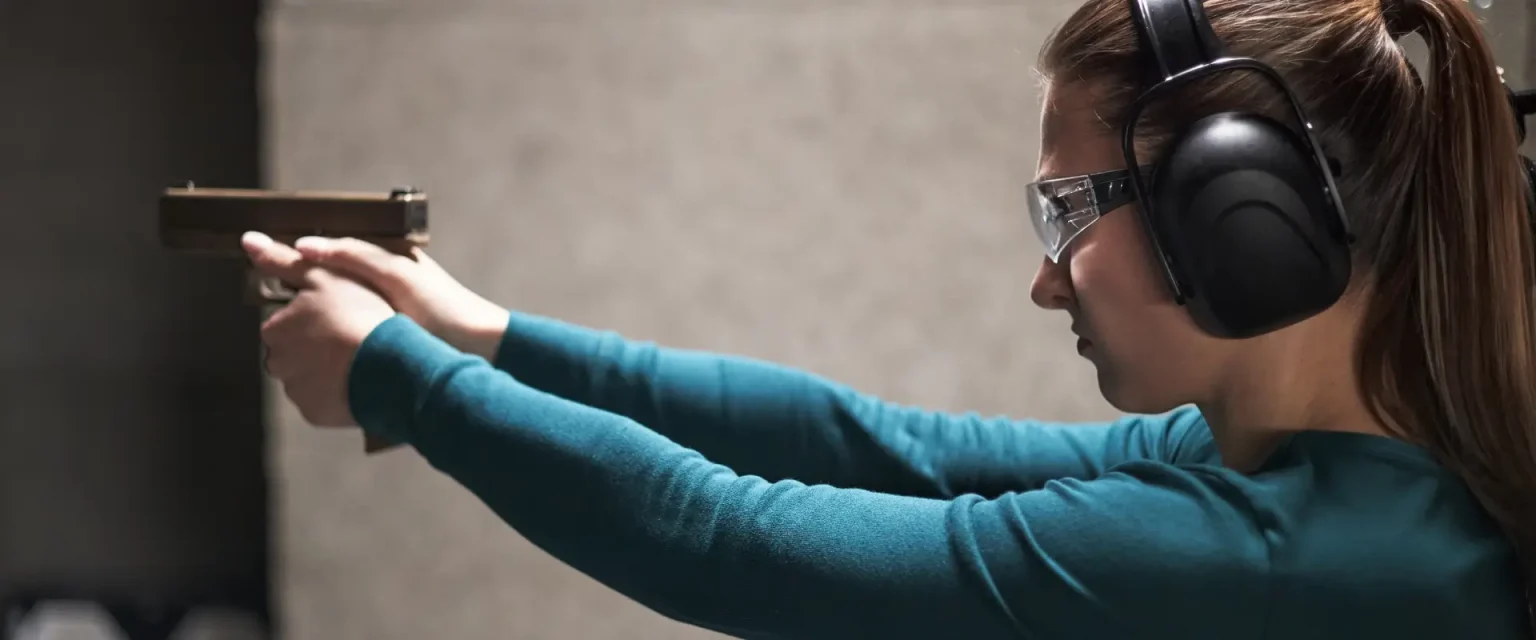
5. Buy Proper Eye and Ear Protection
Firearms are loud enough to permanently damage your hearing. Proper hearing protection should be part of your range gear from day one.
Common options include:
- Foam earplugs
- Passive earmuffs
- Electronic hearing protection
- Earplugs combined with earmuffs for additional protection
Electronic hearing protection is particularly useful because it can reduce harmful noise while still allowing you to hear conversations and range commands.
You’ll also want quality shooting glasses to protect your eyes from hot brass, debris, gases, and other hazards.
6. Don’t Confuse Owning a Gun With Knowing How to Use One
This is probably the biggest mistake a first-time gun owner can make. Purchasing a firearm doesn’t automatically make you prepared to use it effectively. Training does.
A good introductory firearms course can teach you:
- Safe firearm handling
- Loading and unloading
- Basic shooting fundamentals
- Proper grip
- Sight alignment and sight picture
- Trigger control
- Range etiquette
- Basic firearm maintenance
- Safe storage practices
If you purchased a firearm for personal protection, training becomes even more important. Owning equipment is easy. Building competency takes work.
7. Practice Before You Start Buying Upgrades
The firearms industry will happily sell you every accessory imaginable. Optics. Lights. Triggers. Holsters. Grips. Compensators. Magwells. Upgraded sights. Some upgrades can absolutely improve a firearm.
But there’s something far more valuable for a first-time gun owner:
Practice.
Learn your firearm in its basic configuration first.
Shoot it.
Learn what you like and dislike.
Then spend money solving actual problems instead of upgrading things because somebody on the internet told you to. Your first few hundred dollars after purchasing a firearm may be better spent on ammunition, professional instruction, range time, hearing protection, and secure storage.
8. Have a Secure Firearm Storage Plan
Don’t buy a firearm and then figure out where you’re going to keep it. Secure storage should be part of the purchase.
Options can include:
- Gun safes
- Lockboxes
- Quick-access safes
- Cable locks
- Trigger locks
- Locked cabinets
The right solution depends on your firearm, household, local laws, and intended use. A firearm intended for home defense may require a different storage strategy than a hunting rifle that spends most of the year in a safe.
The goal is balancing accessibility for authorized users with protection against unauthorized access, theft, and accidents. If children or other unauthorized individuals could access the firearm, secure storage becomes especially important.
9. Understand the Gun Laws Where You Live
Firearm laws can vary dramatically depending on your state and locality. Don’t rely on something you heard from a friend, saw in a Facebook comment, or watched in a three-year-old video. Learn the laws that apply to you.
Depending on where you live, laws may address:
- Firearm possession
- Transportation
- Concealed carry
- Open carry
- Vehicle storage
- Magazine restrictions
- Restricted locations
- Private transfers
- Storage requirements
- Use of force and self-defense
- Interstate travel
Laws also change. Responsible gun ownership includes staying informed about the rules governing firearm ownership and carrying in the places you live and travel.
10. Understand That Self-Defense Laws Are Complicated
If your firearm is intended for self-defense, don’t stop your education at learning how to shoot. You also need to understand when the use of force may or may not be legally justified. That’s a legal question, not simply a shooting question. Terms such as reasonable force, deadly force, duty to retreat, Castle Doctrine, and Stand Your Ground can have specific legal meanings depending on the jurisdiction. A concealed carry permit doesn’t magically make someone an expert in self-defense law. Seek reputable training and current legal information specific to your jurisdiction.
11. Get a Good Holster If You Plan to Carry
If you plan to carry a handgun, your holster isn’t an accessory to cheap out on. A properly designed holster should securely retain the firearm and protect the trigger area from unintended access. Your specific firearm, carry position, clothing, body type, and lifestyle can all affect which holster works best. Avoid assuming the cheapest universal holster will automatically be suitable for everyday carry. Once you have a proper setup, practice safely using it under the guidance of qualified instruction.
12. Learn Basic Firearm Maintenance
Your firearm doesn’t need to be spotless every five minutes, but you should understand basic maintenance.
Learn how to safely:
- Inspect your firearm
- Field strip it
- Clean appropriate components
- Lubricate it according to manufacturer recommendations
- Reassemble it
- Perform appropriate function checks
Don’t start completely disassembling your firearm because you found a 47-minute video titled “ULTIMATE Glock Upgrade Guide.” Start with what the manufacturer recommends. If something seems damaged or isn’t functioning properly, have it inspected by a qualified gunsmith.
13. Don’t Get Overconfident
Familiarity can create complacency. After handling firearms for months or years, basic safety procedures can start to feel repetitive. That’s exactly when mistakes can happen. Experienced gun owners should follow the same fundamental safety principles as someone holding a firearm for the first time. There is no level of experience where pointing a firearm in an unsafe direction or putting your finger on the trigger unnecessarily suddenly becomes acceptable. Safe handling isn’t a beginner habit.
It’s a lifelong one.
14. Build a Basic First-Time Gun Owner Kit
You don’t need an entire tactical warehouse immediately. Start simple.
A basic setup might include:
- Your firearm
- Manufacturer-recommended ammunition
- Secure firearm storage
- Eye protection
- Hearing protection
- Basic cleaning supplies
- Appropriate range bag or case
- Quality holster if applicable
- Training from a qualified instructor
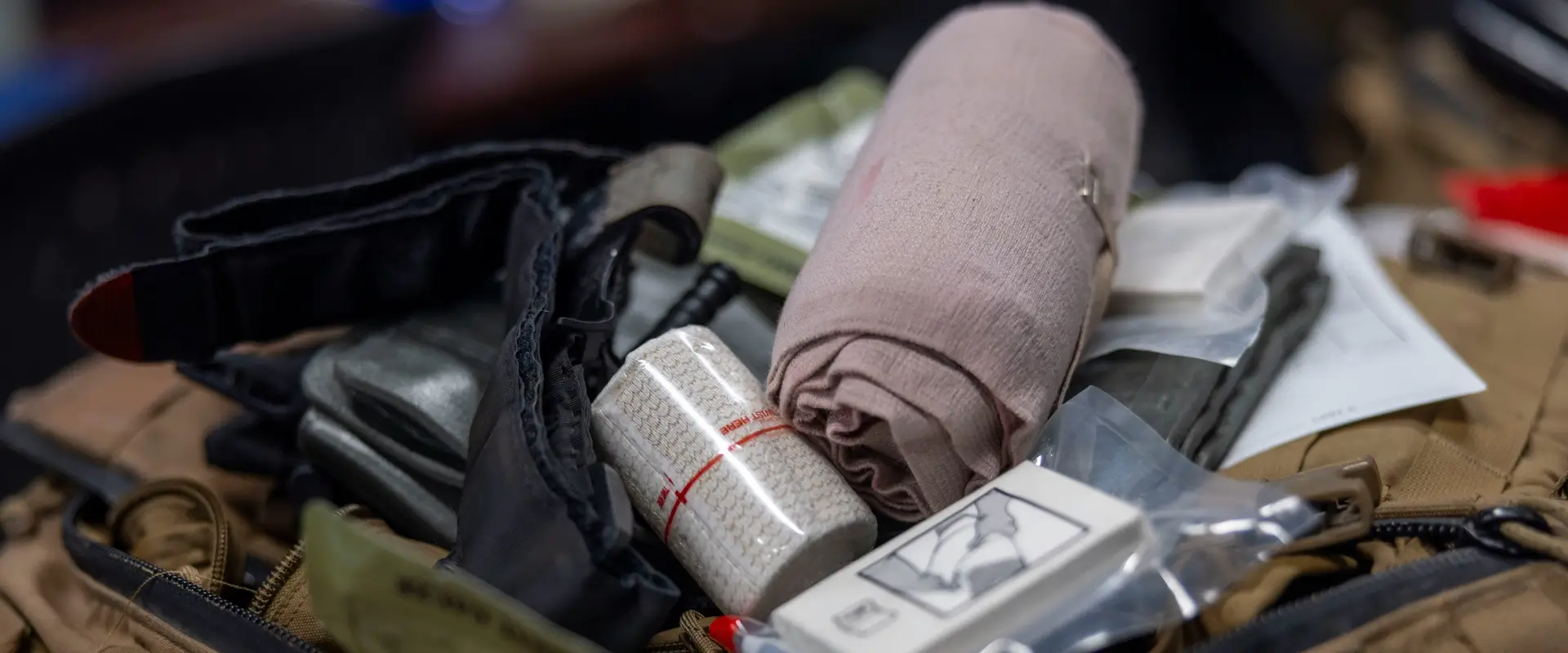
- Basic trauma/first-aid equipment and appropriate training
Build your setup around your actual needs. A person buying a shotgun for hunting will have different requirements than someone purchasing a handgun for concealed carry.
15. Make Training an Ongoing Process
Your first range trip shouldn’t be your last. Shooting is a perishable skill. Regular practice helps reinforce safe firearm handling while improving fundamentals such as accuracy, consistency, and firearm manipulation. More importantly, don’t measure progress solely by how many rounds you fire.
Training with purpose beats burning through ammunition.
Take classes. Ask questions. Practice fundamentals. Identify weaknesses. Continue learning.
That’s how someone goes from simply owning a firearm to becoming a competent and responsible gun owner.
First-Time Gun Owner FAQ
What should I buy with my first gun?
- At minimum, consider secure storage, appropriate ammunition, eye protection, hearing protection, basic cleaning supplies, and professional instruction. Depending on how you intend to use the firearm, you may also need a suitable case or holster.
Should a first-time gun owner take a class?
- Yes. Professional firearms instruction is one of the best investments a new gun owner can make. Even if you’ve shot with friends or family before, structured instruction can help establish proper safety habits and shooting fundamentals.
How often should I practice shooting?
- There’s no universal schedule. Consistent, purposeful practice is more valuable than occasionally firing hundreds of rounds without a plan. Training frequency should reflect your goals, experience, budget, and intended use.
Should I clean a new gun before shooting it?
- Check the manufacturer’s instructions. Some firearms arrive ready for normal use, while others may have shipping or preservation lubricants that should be addressed before firing.
Where should I store my first firearm?
- Store firearms securely and in accordance with applicable laws. The appropriate storage method depends on the type of firearm, your household, and its intended use. Preventing unauthorized access should always be a priority.
Responsible Gun Ownership Starts With Knowledge
Buying your first gun can feel like the finish line. It’s actually the starting line. A responsible first-time gun owner learns how their firearm works, follows safe handling practices, understands applicable laws, stores it securely, and continues developing their skills through education and training.
You don’t need the most expensive firearm. You don’t need every accessory. And you definitely don’t need to pretend you know everything.
You need safe equipment, good information, quality training, and the willingness to keep learning.