Getting stranded in your car can turn an ordinary drive into a survival situation surprisingly fast. A breakdown on a busy highway might be an inconvenience. On a rural road during freezing temperatures, extreme heat, a snowstorm, or severe weather, it can become dangerous.
Your vehicle provides transportation, shelter, storage, visibility, and access to supplies. If you know what to do, staying with it can often give you a major advantage while waiting for help.
Here’s what to do if you get stranded in your car and how to prepare before it happens.
1. Get Your Vehicle Somewhere Safe
If you realize something is wrong while still moving, your priority should be getting out of traffic. Pull as far off the road as safely possible. Avoid stopping around blind curves, over hills, or anywhere approaching drivers may have difficulty seeing you.
Once stopped:
- Turn on your hazard lights.
- Set the parking brake.
- Turn off the engine if there is a mechanical problem.
- Stay away from moving traffic.
- Use reflective triangles or emergency lights if you have them.
If stranded on a high-speed highway, leaving the vehicle can be more dangerous than staying inside. Evaluate your surroundings before getting out.
2. Call for Help While You Still Have Service
Don’t wait for the situation to worsen before contacting someone. If you have cell service, contact roadside assistance, emergency services when appropriate, or someone you trust.
Give them as much information as possible, including:
- Your location
- Road name or highway
- Direction of travel
- Nearest mile marker
- Nearby exits or landmarks
- Vehicle description
- Nature of the emergency
You can also drop a location pin or share your phone’s location with someone. Cell service isn’t guaranteed everywhere, so knowing approximately where you are while traveling is valuable.
3. Stay With Your Vehicle in Most Situations
One of the biggest decisions you’ll face when stranded is whether to stay or start walking. In most remote situations, staying with your vehicle is the safer option. Your vehicle is much easier for rescuers to spot than a person walking along a road or through the wilderness. It also provides shelter from wind, rain, snow, and extreme temperatures. Walking may make sense if help is very close and conditions are safe. Otherwise, wandering away from your vehicle can turn one problem into several.
If you must leave, tell someone where you’re going and leave a visible note inside the vehicle explaining your direction of travel and the time you left.
4. Make Yourself Easy to Find
Being visible can dramatically increase your chances of being found. Use whatever signaling equipment you have available.
Good options include:
- Hazard lights
- Reflective warning triangles
- Road flares where safe and legal
- Flashlights
- Reflective vests
- Bright-colored clothing or fabric
- Emergency strobes
- Whistles
During daylight, something brightly colored attached to your vehicle can help attract attention. At night, conserve your vehicle battery by avoiding running every electrical accessory continuously.
5. Protect Yourself From the Weather
Once immediate safety and communication are handled, your biggest concern may become exposure. If you’re stranded in cold weather, your vehicle protects you from wind, but the interior can still become dangerously cold. Add layers before you become extremely cold.
Use:
- Blankets
- Sleeping bags
- Hats
- Gloves
- Extra jackets
- Hand warmers
- Emergency blankets
If snow accumulates around your vehicle, keep the exhaust pipe clear before running the engine. A blocked exhaust can allow carbon monoxide to build up inside.
Never assume you’re safe from carbon monoxide just because you’re inside your car.
If You’re Stranded in Hot Weather
Heat creates a completely different survival problem. Park in shade when possible and limit unnecessary physical activity. Use sunshades, light-colored coverings, or other materials to block direct sunlight entering the vehicle. Drink water regularly. If conditions are safe, opening windows can improve airflow. But your decisions should consider location, weather, traffic, and personal security.
Never leave children or pets inside a dangerously hot vehicle.
6. Conserve Your Resources
When you don’t know how long you’ll be stranded, think in terms of resources. The big ones are: Water. Fuel. Battery. Food. Phone power. Body heat. Avoid wasting them. For example, repeatedly starting your vehicle, charging multiple devices, running interior lights, and playing the radio can eventually drain your battery.
Likewise, don’t use all your food and water just because you’re bored or trying to make yourself miserable. You’re trying to make your supplies last until you know when help is coming.
7. Keep Your Phone Alive
- Your phone may be one of your most valuable emergency tools.
- Reduce unnecessary battery usage by:
- Lowering screen brightness.
- Turning on Low Power Mode.
- Closing unnecessary apps.
- Disabling Bluetooth or Wi-Fi when they aren’t needed.
- Avoiding videos and social media.
- Using airplane mode when you don’t need an active connection.
- A charged power bank should also be part of your vehicle emergency kit.
Remember that extreme temperatures affect batteries, so don’t leave your power bank in a vehicle for months without checking it.
8. Don’t Forget About Water
People often think about food first, but water is generally the more immediate preparedness concern. Keep emergency drinking water in your vehicle when practical and rotate it periodically. If stranded for an extended period, rationing doesn’t mean refusing to drink when thirsty. Instead, avoid unnecessary waste and physical activity that causes excessive sweating. Your exact water needs will vary significantly depending on temperature, activity level, health, and other factors.
9. Be Careful With Strangers
Most people who stop to help genuinely want to help. That doesn’t mean you should drop your guard completely. You don’t necessarily need to unlock your doors or leave your vehicle simply because someone stops. You can communicate through a partially opened window or a closed window when necessary. If something feels wrong, stay inside, lock your doors, and contact law enforcement if you feel threatened. Preparedness includes personal security.
10. Carry a Car Emergency Kit Before You Need It
The best time to prepare for getting stranded is before your car stops moving. A practical car emergency kit should solve specific problems rather than become a trunk full of random survival gear.
Consider carrying:
- Drinking water
- Shelf-stable snacks
- First aid kit
- Flashlight or headlamp
- Spare batteries
- Phone charging cable
- Power bank
- Jumper cables or jump starter
- Tire inflator
- Tire pressure gauge
- Basic tools
- Reflective warning triangles
- Work gloves
- Emergency blanket
- Seasonal clothing
- Rain gear
- Ice scraper
- Small shovel during winter
- Paper road map
- Fire extinguisher rated for automotive use
Your kit should change with the season and your travel location. Someone commuting ten miles around Pittsburgh needs a different setup than someone driving through remote Montana in January. Build your kit around the problems you’re realistically likely to encounter.
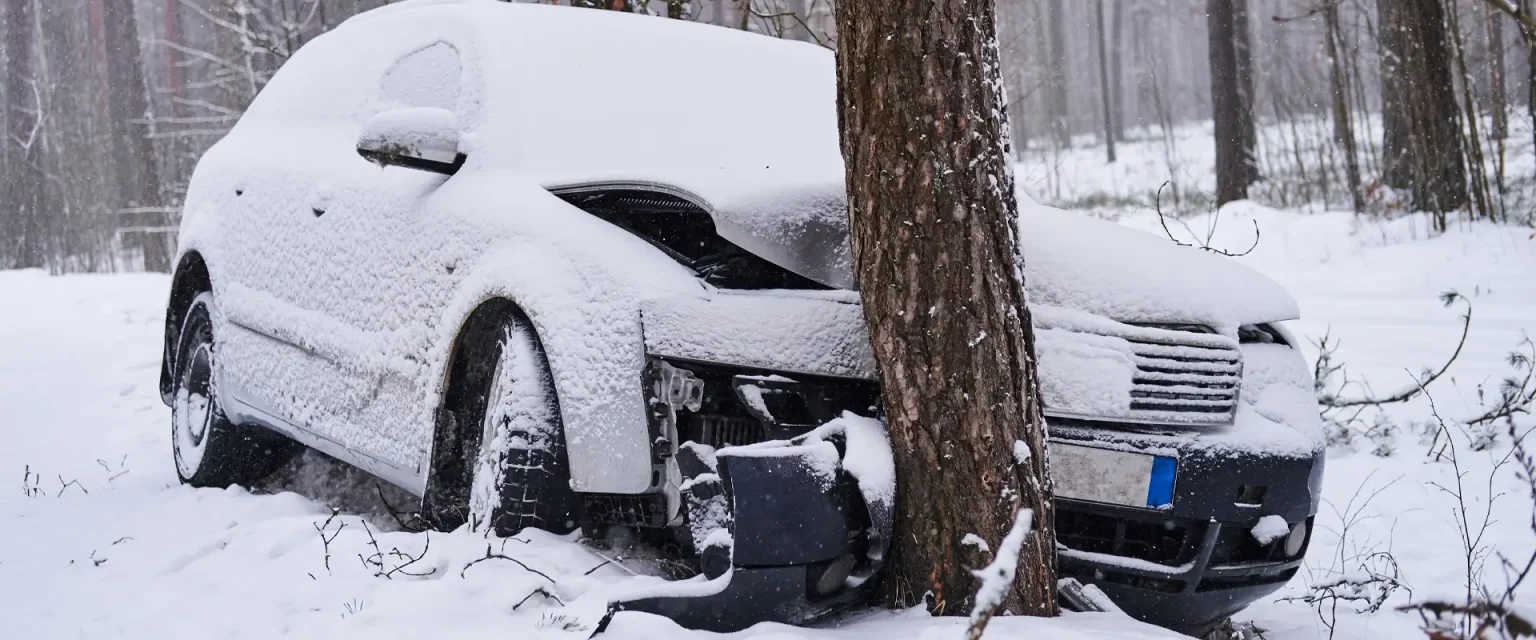
What Should You Do If You’re Stranded in a Snowstorm?
Snowstorms deserve special attention because they can quickly make roads impassable and expose stranded drivers to extreme cold.
If you’re stuck in heavy snow:
- Stay with your vehicle unless there is a clear safety reason to leave.
- Call or message someone with your location.
- Keep the exhaust pipe clear of snow.
- Add clothing layers before becoming extremely cold.
- Use blankets or sleeping bags to conserve body heat.
- Avoid unnecessary physical exertion.
- Make your vehicle visible to rescuers.
- Conserve fuel and battery power.
If you run the engine for heat, always consider the risk of carbon monoxide and make sure exhaust gases can safely escape.
What If Your Car Is Stranded Somewhere Remote?
Remote travel requires another level of preparedness. Before heading into areas with unreliable cellular coverage, carry offline maps and let someone know your route and expected arrival time. For more isolated travel, additional communication equipment such as a satellite messenger can provide another way to request help when cellular networks aren’t available. The farther you travel from civilization, the less you should depend on your phone as your entire emergency plan.
Frequently Asked Questions
Should I stay in my car if I get stranded?
- In many situations, yes. Your vehicle provides shelter and is easier for rescuers to locate than an individual on foot. However, you should leave immediately if remaining in or near the vehicle presents a greater danger, such as fire, flooding, an unsafe traffic position, or another immediate hazard.
Should I walk for help?
- Usually not unless you know help is nearby and conditions are safe. Walking long distances exposes you to traffic, weather, dehydration, getting lost, and other hazards.
How long can you safely stay in a stranded car?
- There isn’t one universal answer. Temperature, weather, water availability, fuel, health, location, and other factors all matter. Focus on shelter, hydration, communication, visibility, and conserving resources while arranging rescue.
What should I keep in my car for emergencies?
- At minimum, consider water, food, a flashlight, first aid supplies, a phone charger, a power bank, a jump starter or jumper cables, tire equipment, reflective signaling equipment, blankets, and seasonally appropriate clothing.
What is the most important thing to remember if you’re stranded?
- Don’t panic and don’t immediately start wandering around. Assess the situation first. Get somewhere safe, contact help, protect yourself from the environment, make yourself visible, and conserve your resources.
Preparation Turns a Breakdown Into a Manageable Problem
Most vehicle emergencies aren’t dramatic survival stories. They’re dead batteries, flat tires, mechanical failures, bad weather, closed roads, and getting stuck somewhere you didn’t expect. But small problems become big problems when you’re unprepared. A flashlight, warm blanket, bottle of water, jump starter, phone charger, and a few basic emergency supplies can completely change how that situation plays out.
More importantly, know how to use what you carry.
A $500 emergency kit isn’t very useful if you’ve never opened it. Build a practical car emergency kit, check it a few times each year, adjust it for the season, and learn the basic skills required to use your equipment. Because you can’t always prevent yourself from getting stranded. You can make sure you’re prepared when it happens.