Most people know they should have beginner emergency supplies at home. Most people also have nothing. Surveys consistently show that a significant portion of American households lack even the most basic preparedness items, and the gap between knowing and doing usually comes down to one thing: the prepping space feels like a rabbit hole. When you’re staring at a 200-item checklist, the easiest response is to close the tab and think about it later. That cycle never ends well.
The good news is that you don’t need a bunker or a year’s worth of freeze-dried food to be meaningfully prepared. You need a focused, affordable 72-hour kit built around a handful of priorities. That’s it.
Why the 72-hour goal is the right place to start
FEMA’s benchmark for household emergency preparedness is three days, and that standard exists for a practical reason. According to FEMA, most localized emergencies, severe weather events, power outages, and short-term infrastructure disruptions either resolve within a manageable window or escalate to a point where evacuation is the appropriate response. Framing your goal as “three days” turns a vague, open-ended commitment into something concrete and achievable. You’re not preparing for the apocalypse; you’re preparing for the weekend your power goes out, and the roads are impassable.
What a beginner emergency kit looks like in real terms
A three-day starter disaster supply kit for a family of four means roughly 12 gallons of water, nine to twelve meals worth of shelf-stable food (think three meals per person per day), a basic first aid kit, a flashlight, and a handful of tools. Laid out on a kitchen table, that’s a manageable stack, one that may fit in two large plastic totes for many households. The mental image helps because it replaces the abstract idea of “emergency preparedness” with something you can picture buying, packing, and storing in a closet.
Why starting imperfectly beats waiting to do it right
A partial kit built this weekend outperforms a perfect kit that exists only as a bookmark. Buy the water and a few cans of food before you’ve figured out the rest. You can add the tools, communication gear, and first aid supplies over the next few weeks. Incremental progress is real progress, and the first purchase is almost always the hardest one to make.
Beginner Emergency Supplies: Water and How Much to Store
FEMA recommends one gallon of water per person per day for drinking, cooking, and basic sanitation. For a single person, a 72-hour kit requires three gallons. A couple needs six. A family of four needs at least 12 gallons. Nothing else in your kit functions the way it should if dehydration is already a factor, which is why water is always the first purchase, not the last.
How much to buy on your first shopping run
The simplest beginner move is sealed store-bought water jugs from any grocery or hardware store. They’re inexpensive, easy to date-label, and require no additional equipment. For a family of four, twelve individual one-gallon jugs gets you to your target with money to spare. Over time, you can graduate to larger food-grade containers if you want to consolidate storage, but the gallon jugs are a perfectly solid starting point.
Keeping stored water fresh without overthinking it
Commercially sealed bottled water is safe well beyond its printed date if the seal stays intact and storage conditions are reasonable. For home emergency storage, rotating every 6 to 12 months is a practical habit. Label each container with the date you bought or filled it and store everything out of direct sunlight and away from heat sources. Then run through your rotation on a consistent schedule. That’s the whole system.
Beginner Emergency Supplies: A Simple Food Tier
The goal for a beginner isn’t a year of freeze-dried meals. It’s five to seven categories of food that are affordable at any grocery store, carry enough calories to matter, and don’t require power to prepare or eat. Focusing on these basic preparedness items first keeps your budget manageable and your decision-making simple.
The five beginner food categories ranked by practicality
- Canned protein (tuna, chicken, beans) leads the list. Canned goods typically last two to five years, they pack serious caloric and nutritional value, and they need no refrigeration.
- Peanut butter is calorie-dense, requires no preparation, and keeps for one to two years under normal storage conditions.
- Rice and pasta round out the carbohydrate foundation. Both store almost indefinitely in sealed containers and form the base of a real meal when you have access to heat.
- Crackers serve as an eat-now option when cooking isn’t possible and keep for around six months before quality declines.
- Canned fruits and vegetables close the gap on nutrition and variety, with the same two-to-five-year shelf life as other canned goods.
For households that want more convenience without building meals from scratch, shelf-stable options like ReadyWise meals are a solid step up. Check with your preferred retailer to confirm current inventory and availability.
Shelf life basics every beginner should understand
“Best by” on a can of beans doesn’t mean the same thing as an expiration date on a carton of milk. Most canned goods remain safe and nutritionally intact well past their printed dates, especially when stored in stable, cool conditions. The habit to build now is FIFO: first in, first out. Put new purchases behind older stock so you naturally cycle through supplies without waste. The rotation section later in this article covers the full system.
Light, communication, and the tools most people forget
This tier of your beginner survival supplies costs relatively little and takes up almost no space, but it’s what separates a functional emergency setup from a box of food you can’t open in the dark. Three categories matter most: light, communication, and the easy-to-overlook basics that solve specific problems at the worst possible moment.
The communication tools that matter most in a blackout
Most beginners think about their phone and stop there. The problem is that cell service can become unreliable during extended outages, towers may lose power, get overloaded, or go offline entirely, as FEMA guidance on backup communications acknowledges. A battery-powered or hand-crank NOAA weather radio gives you direct access to emergency alerts and weather updates when your phone isn’t an option. A backup power bank handles the in-between window when cell service is still functional, but your battery is dying. Both belong in every beginner emergency kit.
The small items that get forgotten until they’re needed
A manual can opener is non-negotiable if you’re stocking canned food, an electric one is worthless without power. A whistle weighs almost nothing and can signal your location to first responders when shouting isn’t effective. A dust mask costs almost nothing and filters out smoke, debris, and airborne particulates that make post-disaster air genuinely dangerous. None of these items are exciting purchases, but you’ll be glad they’re in the bag when you need them.
First aid and personal essentials for your specific household
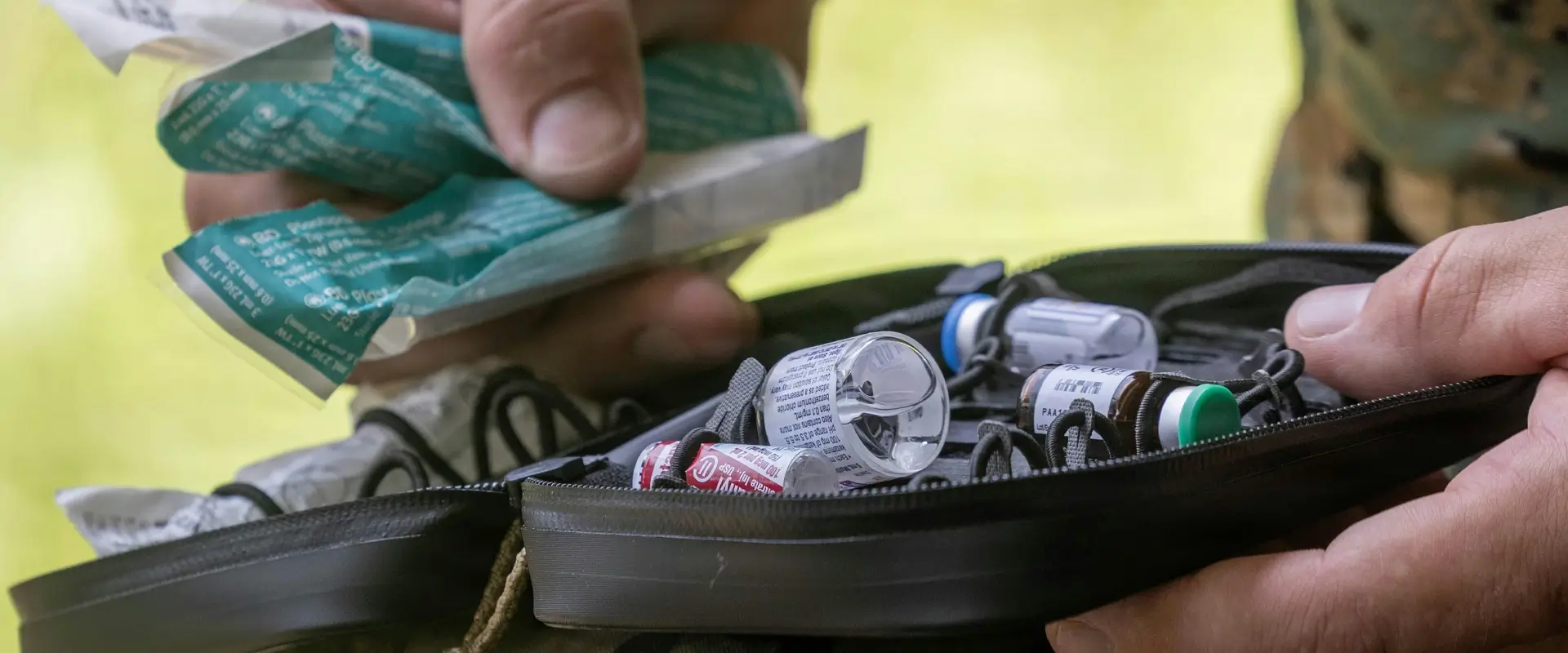
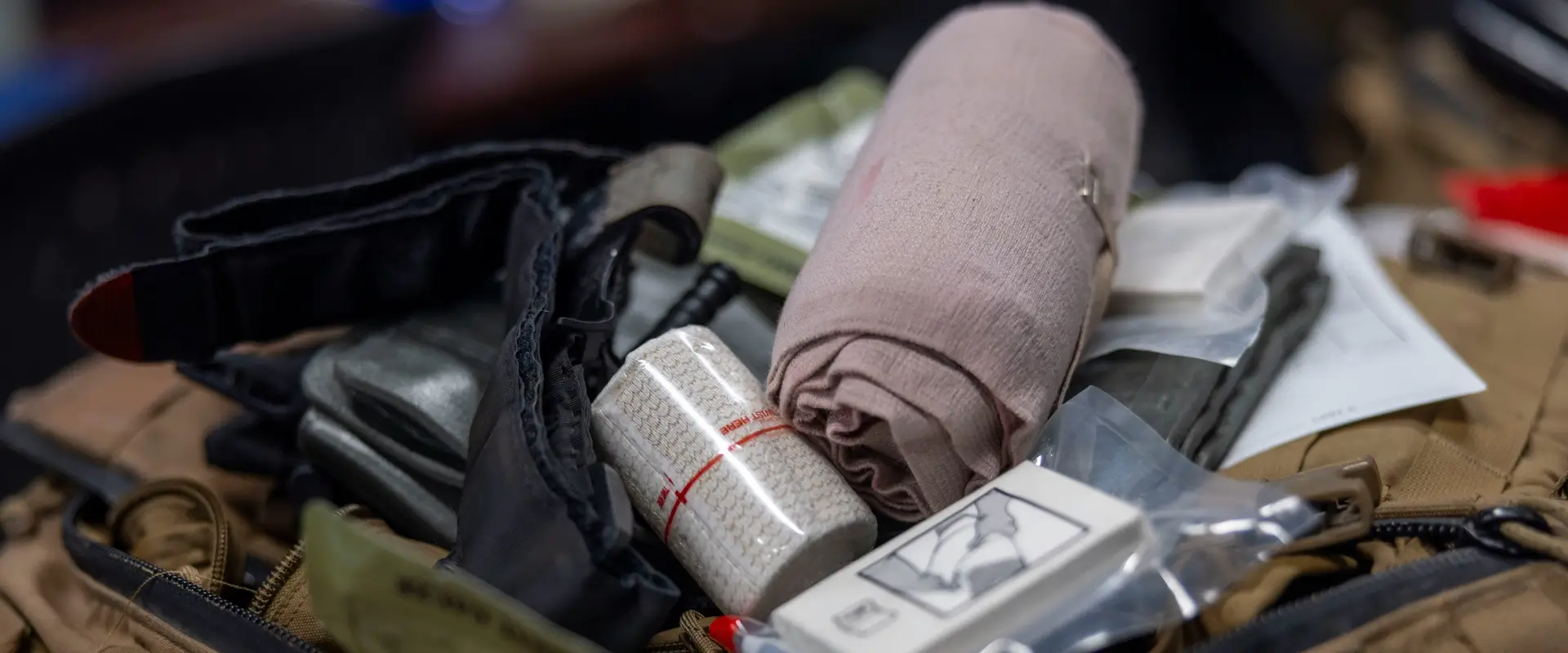
A core first aid kit for emergency preparedness covers the injuries most likely to occur when professional medical help is delayed: cuts, sprains, burns, and contamination. The standard components include adhesive bandages in assorted sizes, sterile gauze pads, adhesive tape, antiseptic wipes, nitrile gloves, scissors, tweezers, and a first-aid manual. That list handles the majority of situations you’re likely to face in a 72-hour window without access to a clinic.
Building a starter first aid kit from the basics up
Assembling the components individually gives you more control over what goes in the kit, but a pre-packaged starter first aid kit is a legitimate shortcut that works well for most beginners. If the choice is between spending another week researching individual items or buying a solid pre-packaged kit today, buy the kit today. Additions like an instant cold pack, elastic bandages, antibiotic ointment, a thermometer, and a pain reliever like ibuprofen or acetaminophen make a meaningful difference for a few extra dollars.
Customizing the kit for pets, medications, and special needs
Generic checklists don’t account for your household’s actual profile, and this is where real preparedness planning happens. Apply the same per-day logic to your pets: calculate their daily food and water needs, then multiply by three days at a minimum. People managing chronic conditions should work with their physician to identify what a backup medication supply looks like, ideally a seven-day minimum, and store it in the original labeled container alongside a written medication list. Households with infants need formula, diapers, and any age-specific medications in the kit. The point is to think through the specific people and animals you’re responsible for, not just the average four-person household on the FEMA checklist.
How to store your kit and where to get started without guessing
All the right supplies become useless if you store them in conditions that degrade them. The storage standard is simple: cool, dry, dark, and off the floor. A basement shelf, a dedicated closet, or a climate-controlled garage space all work. Avoid areas near heating vents, pipes, or direct sunlight. Label every item with its purchase or expiration date so your rotation system has something to work from.
The storage and rotation habits that keep your kit ready
Set a six-month check-in on your calendar and treat it like a recurring task, not a one-time project. During each review, check expiration dates on food and medications, replace batteries in flashlights and your radio, rotate your water supply, and top off anything that’s been used or expired. The FIFO system keeps this manageable: new items go to the back, older items move to the front, and you cycle through your supplies naturally over time. One afternoon twice a year keeps your kit functional without requiring any heroic effort.
Why shopping at a knowledgeable retailer saves time and money
Hours of online research, conflicting product reviews, and the uncertainty of whether you’ve picked the right items are the main reasons people stall on building a kit. Survival Ready in Ambridge, PA was built specifically to cut through that process. Their staff focuses on pointing customers to what actually belongs in a beginner emergency kit, not just what sells well, and the store carries preparedness gear, emergency supplies, and first aid products in one place. For those outside western PA, their online store is an option worth checking out. Confirm current shipping policies, available inventory, and any promotions directly on their site before you order.
Starter Disaster Supplies: A One-Afternoon Emergency Supply Checklist
Beginner emergency supplies don’t require a large budget, a garage full of gear, or weeks of research. Work through this quick checklist on your next free afternoon:
- Water: 1 gallon per person per day, minimum 3 days (12 gallons for a family of four)
- Shelf-stable food: 3 meals per person per day for 3 days (canned protein, peanut butter, crackers, rice or pasta, canned fruits and vegetables)
- Manual can opener
- Flashlight and extra batteries
- Battery-powered or hand-crank NOAA weather radio
- Backup power bank for your phone
- Starter first aid kit (pre-packaged is fine)
- Whistle and dust mask
- Prescription medications (7-day backup minimum, consult your physician)
- Pet food and water (3-day supply per pet)
That sequence gets a functional 72-hour kit assembled in a single afternoon for many households. From there, you customize for your pets, your medications, and your specific situation.
The hardest part isn’t knowing what to buy. It’s making the first purchase. Stop bookmarking and start building. The supplies you put together this weekend are the ones that actually work when you need them.