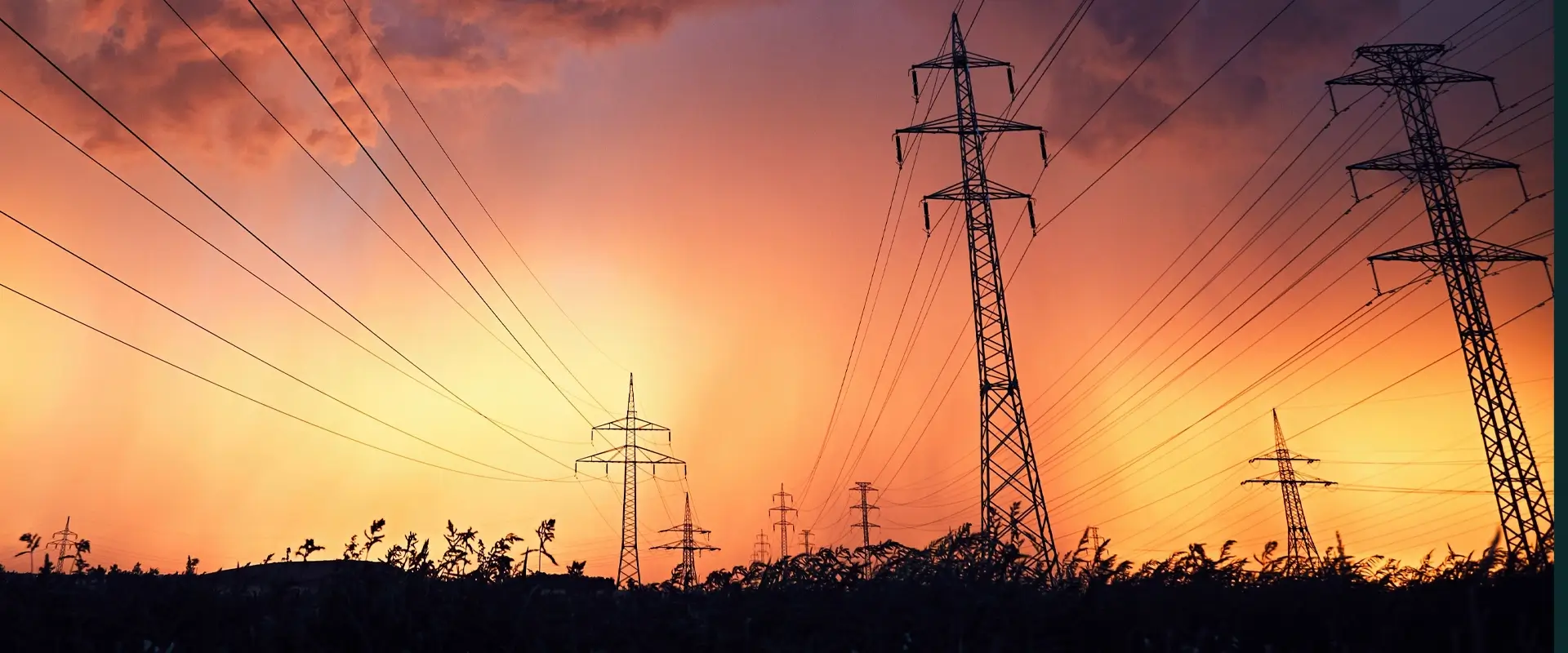
How vulnerable do you feel when the power is out? How long was your last outage? What season did this happen in? What didn’t you have that you wish you had?
A brief power cut may merely be an inconvenience, but if the power failure continues for hours or days, then the situation can become a great deal more serious. The good thing is that you don’t need to turn your basement into a doomsday bunker in order to get ready. A bit of planning will mean that your home will be safer, more comfortable, and functional until the power is restored.
The following steps will help you get ready for a power outage before the electricity fails.
1. Prepare an emergency kit in the event of a power outage.
Start with the basics.
A good emergency kit should allow you to meet your needs for lighting, communication, food, water, medical requirements, and basic comfort without relying on electricity.
Consider keeping:
- LED flashlights and headlamps
- Spare batteries
- Battery-powered lanterns
- Portable phone power banks
- Battery or hand-crank emergency radio
- First-aid supplies
- Prescription medications
- Bottled or stored drinking water
- Shelf-stable food
- Manual can opener
- Basic hygiene supplies
- Blankets or sleeping bags
- Emergency cash
- Copies of important information
It’s not enough merely to purchase emergency supplies and then put them in a tote. Know how everything works. Make sure your power banks are charged, check that your flashlights work, put batteries into your radio, and learn how to use your emergency equipment before you find yourself in the dark and have to work out how to use it.
It has nothing to do with possessing things; it’s about knowing how to use the things you already have.
2. Have several sources of emergency lighting
You shouldn’t use your phone’s flashlight as a plan for emergency lighting. If you use your phone as a flashlight, it drains the same battery you might need to make calls, get emergency alerts, use maps, or ask for help. Rather, make sure that you have a number of separate light sources on hand. Headlamps are particularly useful since they allow both hands to remain free. LED lanterns are capable of lighting up an entire room, whereas smaller flashlights can be placed next to beds, close to exits, and in vehicles.
Make it a practice to set up specific places for emergency lighting in your house so that everyone knows precisely where to find it.
Yes, glow sticks can also be useful since they may not be very bright but are cheap, simple, and good for indicating stairs, bathrooms, hallways, doors, and other possible hazards.
3. Get ready for communicating without having power.
In the case of a widespread power failure, information becomes very valuable. The cellular networks might keep on working, but if the backup systems lose power then the service could become congested and eventually stop.
With a battery-operated or hand-cranked emergency radio you can get weather warnings, information about evacuations, and emergency broadcasts without having to depend entirely on your phone. You must also make sure that your portable power banks remain charged.
For longer outages, consider:
- Larger portable power stations
- Vehicle charging adapters
- Solar chargers
- Multiple USB battery banks
- NOAA weather radios
If you are living with other people, make sure you have a basic communication plan in place before an emergency occurs.
4. Store Enough Water
Even when the power fails the municipal water supply doesn’t always stop flowing, but in the case of longer outages it is possible that the pumping stations, the treatment facilities and the private well pumps will be affected. The running water in your house might stop almost at once if the electricity fails and your home has a well.
It is a standard recommendation for emergency preparedness to keep one gallon of water for each person each day for drinking and for sanitation. Three days is a suitable starting point; gradually working up to one or two weeks results in considerably greater resilience.
You can also prepare backup methods for making questionable water safer, including:
- Water filters
- Purification tablets
- Boiling
- Properly used water disinfectants.
- Stored bottled water
Water becomes a priority sooner than most people anticipate.
5. Store the food which does not need to be kept refrigerated.
When the power fails, your refrigerator and freezer are basically just insulated boxes. Avoid opening them unnecessarily. A refrigerator is generally able to keep food cold for several hours as long as the door stays closed, whereas a full freezer can maintain safe temperatures for a much longer time. But in the end, you’ll have to think of a different plan. Make sure that foods which do not need to be refrigerated or require complicated preparation are available.
Good options include:
- Canned foods
- Peanut butter
- Crackers
- Protein bars
- Trail mix
- Dried fruit
- Jerky
- Ready-to-eat meals
- MREs
- Freeze-dried or dehydrated meals
Think about the manual can opener. It isn’t until after the fact that you realize having twenty tins of food and an electric can opener during a power cut seems funny.
6. Make sure you have a safe method for cooking as a backup.
If the power failure continues for a long time, you might consider the need to heat food or boil water. Equipment such as camp stoves, propane burners, grills, and the like can be used as good alternative means of cooking.
But there’s an important rule: Do not use grills, generators, or any other outdoor combustion appliances in your home, in a garage, in a basement, or in any other enclosed space.
Carbon monoxide is tasteless, colorless, and can be fatal. Outdoor cooking equipment should stay outside.
Also, be sure you know how to handle and store the fuel your equipment needs safely.
7. You might want to look at using a generator or a portable power station.
Backup power can make a big difference when the outage lasts for a long time.
There are two main approaches:
Portable Power Stations
Portable battery power stations can operate or recharge equipment without giving off exhaust.
Depending on their capacity and output, they may power:
- Phones
- Laptops
- Radios
- Lights
- Fans
- CPAP machines and certain medical equipment
- Small appliances
- Refrigerators for limited periods
They could also, in principle, be recharged using solar panels.
Generators
Although fuel-powered generators can provide much more continuous power, they do require extra planning. You’ll also need the right type of fuel, extension cords or professionally installed electrical equipment, as well as maintenance and safe placement of the generator.
Never use a generator inside your home or garage.
If you intend to connect a generator to your home’s electrical system, it is necessary to have the correct transfer equipment fitted by a qualified electrician, since improper connections can lead to serious electrical hazards.
8. Consider the matter of heating and cooling
It’s not only a matter of lighting.
A serious power failure occurring during intense heat or in freezing temperatures can pose a danger.
For winter outages, prepare:
- Warm clothing
- Thermal base layers
- Blankets
- Sleeping bags
- Hand warmers
- Safe backup heating options
During summer outages, consider:
- Battery-powered fans
- Rechargeable fans
- Extra drinking water
- Window coverings
- Portable power stations
- Cooling towels
It is important to know that remaining at home is no longer the safest choice. If the temperature becomes dangerous and there is no safe way to heat or cool your home, it might be wiser to move than to try to put up with it.
9. Protect Important Electronics
Power restoration may, in some cases, cause electrical fluctuations. It is advisable to remove computers, televisions, gaming systems, and other valuable electronic equipment from the power supply during a power failure.
Although surge protectors can offer extra protection, they do not replace properly designed whole-home electrical protection.
When power comes back, you can slowly plug in your equipment again.
10. Make sure your vehicle is ready
Your car can act as a valuable resource in the case of a prolonged power outage. It can be used to provide transportation, temporary climate control, charge devices, and access places that still have power. Avoid having your fuel tank constantly nearly empty. It is a good idea to refill the supply about halfway, particularly if severe storms or other kinds of disruptions are anticipated.
When driving an electric vehicle, it would be a good idea to charge it before severe weather comes as opposed to waiting until the battery is nearly empty.
11. Make sure that some cash remains available
All ATMs, payment terminals, internet connections, and card-processing systems rely on electricity and on the communications infrastructure.
Your credit or debit card could suddenly become a very expensive piece of plastic during a widespread outage.
Having a reasonable amount of cash in small denominations can help you buy essential items when electronic payments are not available.
12. Learn how to run your home in the absence of electricity.
- Do you know how to open your garage door by hand?
- Do you know where your electrical panel is?
- What is the position of your main water valve?
- Would you still be able to get into your home if your electronic locks stop working?
- Do you have a regular key?
They are not exciting items of survival equipment, but they do represent the type of minor issues which turn into serious annoyances when emergencies occur.
Go round your house and find out about any of the things which you usually need electricity for.
13. Draw up a plan for medical needs
Wherever there is a member of your household who needs refrigerated medicine, powered medical equipment, mobility aids, or other equipment that depends on electricity, backup power should be given the status of a priority, not that of a convenience.
Determine:
- For how long can the equipment function in the absence of power from the grid?
- What backup batteries are available
- How medications should be stored
- Where you can relocate if necessary
- In the event of an extended outage, who should be contacted?
You shouldn’t wait for the power to go out before working out how to do this.
14. Getting ready for your pets
You should also include animals in your emergency plan.
Keep additional:
- Pet food
- Water
- Medications
- Leashes
- Carriers
- Waste bags
- Identification information
If you are ever required to evacuate, make sure you know in advance where you can take your animals.
15. Work through your power outage plan
One of the best ways to prepare for a blackout is incredibly simple:
- Switch off the power on your own initiative.
What if you tried spending an evening without using any electricity from the grid?
- You will soon find faults in your plan.
It’s possible that your emergency lantern is not charged. It’s also possible that no one knows where the batteries are. Moreover, your emergency food may require boiling water, and you might not in fact have a method of boiling it.
It is better to find those problems during a practice run than to discover them during a real emergency.
For how long should you prepare for a power cut?
Begin with three days of being self-sufficient. When you have gone on for three days, increase your supplies and capabilities to cover one week and then two weeks.
Think of preparedness in layers:
- In the first four hours we dealt with lighting, communication, and phone charging.
- In the first 24 hours we need to deal with food, water, refrigeration and temperature control.
- From day 2 to 3: backup power, cooking, sanitation, fuel, and communications.
- If it lasts for one week or more, then resupply, water purification, energy management, waste disposal, security, and possibly relocation will be required.
- It’s not necessary to deal with all things at the same time.
Build capability over time.
Power Outage Preparedness Checklist
Before the next outage, make sure you have:
- Flashlights and headlamps
- Spare batteries
- Emergency radio
- Charged power banks
- Drinking water
- Shelf-stable food
- Manual can opener
- First-aid supplies
- Necessary medications
- Safe backup cooking method
- Blankets or seasonal temperature-control gear
- Emergency cash
- Vehicle fuel
- Pet supplies
- Backup power appropriate for your needs
- Carbon monoxide detectors with battery backup
In fact, test the equipment.
Frequently Asked Questions About Power Outages
When the power cuts out, what should I do first?
- Find out if the power failure is affecting just your house or also the surrounding area and make sure that you have your emergency lighting available, save the battery in your phone, check up on the other members of your household, and avoid opening your refrigerator or freezer unnecessarily.
How much water should I have ready in case of a power failure?
- A reasonable starting point is one gallon per person each day. Start by providing a supply for three days and then slowly increase your emergency water stock.
Shall I need a generator if there’s a power outage?
- It doesn’t have to. For brief power outages, rechargeable battery banks and portable power stations could supply the electricity needed by essential appliances. Generators are more useful when you require a large or extended amount of power.
May I use a generator in my garage?
- No. Generators give off carbon monoxide and must be operated outside in accordance with the manufacturer’s safety instructions and should be kept a long way from doors, windows, and all other openings.
Which foods are most suitable during a power outage?
- Select ready-to-eat foods that are shelf-stable and need little or no cooking, for example canned foods, nut butters, crackers, jerky, protein bars, MREs, and other ready-to-eat meals.
How can I prepare for a power outage on a budget?
- Start with the highest-priority items: water, flashlights, batteries, shelf-stable food, a radio, and phone charging. You don’t need a $3,000 solar generator on day one. Build your preparedness system gradually and prioritize equipment that solves multiple problems.
Don’t Wait for the Lights to Go Out
Learning how to prepare for a power outage isn’t about expecting society to collapse every time a thunderstorm rolls through. It’s about eliminating unnecessary problems. A few hours without electricity should be an inconvenience, not an emergency. And if those few hours turn into a few days, having the right equipment, supplies, and knowledge can make an enormous difference.
Start with the basics: water, food, lighting, communication, temperature control, and backup power.
Then test your plan.
Prepare before you need it. Stay ready when it matters.