1. Store drinking water before an emergency.
- Immediately available when an emergency begins
- Requires no filtration or purification if properly stored
- Easy and inexpensive to get started
- Excellent for power outages and boil-water advisories
- Can be stored in multiple locations
Negatives
- Takes up significant storage space
- Heavy and difficult to transport
- Supply is limited to what you’ve stored
- Containers can leak or become contaminated
- Requires planning before the emergency
It is advisable to periodically rotate stored water to protect the containers from contamination, and it may also be a good idea to have both portable containers and larger fixed ones. Stored water should be relied on first, with filtration and purification serving as alternative measures if your water supply is exhausted.
2. Gather water from your home.
- Water stored in your water heater
- Melted ice cubes
- Water remaining in household plumbing
- Previously filled containers
- Canned fruits and vegetables packed in water
- Other beverages and water-rich foods
Positives
- May provide emergency water without leaving home
- Water heaters can hold a significant reserve
- Ice and previously filled containers are immediately accessible
- Requires little or no specialized equipment
- Useful when municipal water suddenly stops
Negatives
- Available quantity is limited
- Some household water sources may be unsafe
- Water can become contaminated after a water-system failure
- Requires knowing where safe water is located
- Not a renewable long-term source
3. Collect Rainwater
Rainwater can provide a valuable renewable water source during longer emergencies. Rain can be collected using tarps, roof catchment systems, buckets, barrels, tents, plastic sheeting, and other clean surfaces. However, rainwater isn’t automatically safe to drink. Roofs, gutters, containers, bird droppings, dirt, and airborne contaminants can introduce unwanted material.
Positives
- Renewable whenever it rains
- Can provide large quantities with a good catchment system
- Relatively easy to collect
- Can reduce dependence on stored water
- Excellent option for longer-term preparedness
Negatives
- Completely dependent on weather
- Roofs and gutters can introduce contaminants
- Requires containers and storage space
- Usually should be treated before drinking
- Local regulations may affect permanent rainwater collection systems
Treat collected rainwater before drinking whenever its safety is uncertain.
4. Look for natural sources of water
- Springs
- Streams
- Rivers
- Lakes
- Ponds
- Creeks
- Snow and ice
Positives
- Can provide large or renewable quantities of water
- Streams, springs, rivers, and lakes may be readily available
- Essential option for wilderness survival
- Allows you to replenish water while traveling
- Doesn’t require carrying your entire water supply
Negatives
- Clear water can still contain dangerous microorganisms
- Agricultural or industrial runoff can introduce chemicals
- Water sources may be seasonal or dried up
- Reaching the source can require significant energy
- Almost always requires some form of treatment
5. Boil Water
Positives
- Highly effective against bacteria, viruses, and parasites
- Doesn’t require specialized filtration equipment
- Easy method to understand and remember
- Excellent backup when other equipment fails
- Can treat relatively large quantities
Negatives
- Requires fuel and a heat source
- Requires a heat-safe container
- Takes time to boil and cool
- Doesn’t remove sediment, salt, heavy metals, or most chemicals
- Fuel consumption can become a problem during long emergencies
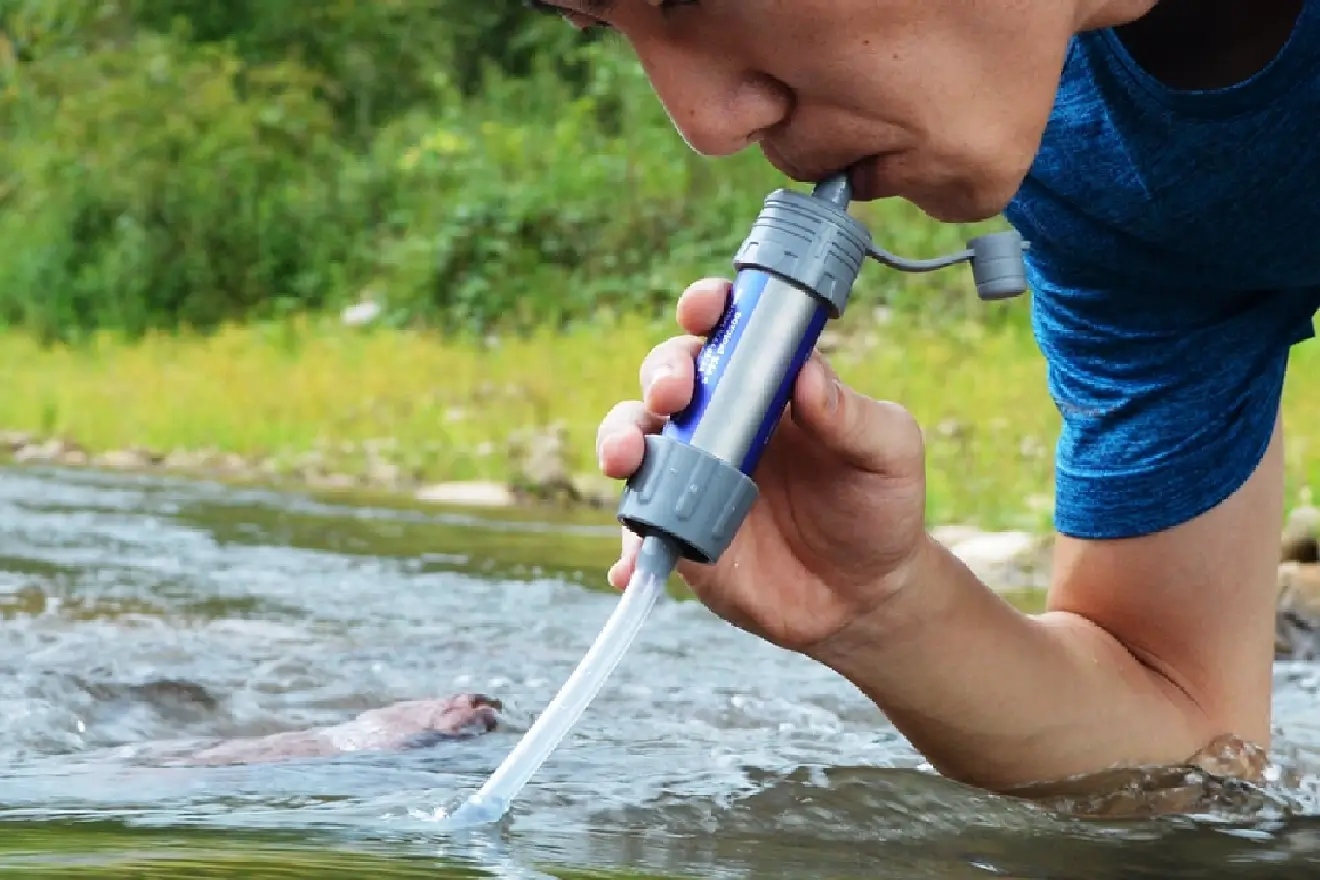
6. Use a portable water filter
- Straw-style filters
- Squeeze filters
- Pump filters
- Gravity-fed filters
- Bottle filters
Positives
- Lightweight and portable
- Excellent for bug-out bags and hiking
- Can quickly treat water while traveling
- Many models remove bacteria, protozoa, and sediment
- Some filters can process hundreds or thousands of gallons
Negatives
- Not every filter removes viruses
- Many don’t remove chemicals or heavy metals
- Filters can clog
- Filter elements eventually need replacement
- Freezing can permanently damage some filters
- You need to understand exactly what your particular filter removes
7. Use a Gravity Water Filter
Positives
- Excellent for producing larger quantities of drinking water
- Requires little physical effort
- Great for families and groups
- Useful at camps, cabins, and emergency shelters
- Can continuously filter water while you handle other tasks
Negatives
- Larger and less portable than individual filters
- Filtration can be slow
- Requires somewhere to hang or elevate the reservoir
- Filter elements can clog or require maintenance
- Performance varies considerably between systems
8. Use Water Purification Tablets
Positives
- Extremely lightweight
- Take up almost no space
- Excellent backup for emergency kits
- Inexpensive compared with many filtration systems
- Long shelf life when properly stored
- No electricity or heat required
Negatives
- Treatment requires waiting
- Can affect the taste of water
- Doesn’t physically remove dirt or sediment
- Effectiveness varies by chemical and microorganism
- Doesn’t remove most chemical contaminants or heavy metals
- You eventually run out of tablets
9. Chemically Disinfect Water
Positives
- Can kill many disease-causing microorganisms
- Useful when boiling isn’t possible
- Can treat relatively large quantities
- Doesn’t require electricity
- Certain appropriate disinfectants may already be available during an emergency
Negatives
- Correct concentration is critical
- Not every household disinfectant is suitable
- Can produce an unpleasant taste or odor
- Requires adequate contact time
- Doesn’t remove sediment, heavy metals, or many chemicals
- Incorrect use can make the water unsafe
10. Use UV Water Purification
Positives
- Works quickly
- Effective against many microorganisms
- Doesn’t add chemicals or alter the taste
- Compact portable systems are available
- Convenient for travel and backpacking
Negatives
- Requires batteries or electricity
- Works best with clear water
- Doesn’t physically remove contaminants
- Doesn’t remove sediment, chemicals, or heavy metals
- Electronics can fail
- Difficult to verify effectiveness without functioning equipment
11. Melt Snow or Ice
Positives
- Can provide abundant water in cold environments
- Doesn’t require finding a flowing water source
- Snow can be relatively easy to collect
- Useful during winter emergencies
- Can provide a renewable supply when conditions cooperate
Negatives
- Requires considerable fuel or heat to melt
- Snow contains less water than its volume suggests
- Eating snow directly can accelerate body heat loss
- Snow and ice can still contain contaminants
- Resulting water may still require treatment
12. Collect Dew
Positives
- Requires very little specialized equipment
- Can provide water where obvious sources aren’t available
- Doesn’t require digging or finding a stream
- Can supplement another water source
- Useful survival skill to understand
Negatives
- Produces very small amounts of water
- Collection is time-consuming
- Depends heavily on weather and environment
- Vegetation may contain pesticides or other contaminants
- Collected water should still be treated
- Rarely practical as a primary water source
13. Build a Solar Still
Positives
- Doesn’t require electricity
- Uses solar energy instead of fuel
- Can produce water through evaporation and condensation
- Useful concept for certain environments
- Can operate with relatively little attention once established
Negatives
- Usually produces surprisingly little water
- Requires time and energy to construct
- Dependent on sunlight and environmental conditions
- May not produce enough water to meet daily hydration needs
- Requires plastic sheeting or similar material
- Often portrayed as far more effective than it actually is
14. Distill Water
Positives
- Can remove salts and many dissolved contaminants
- Can turn saltwater into freshwater
- Kills microorganisms through the heating process
- Produces highly purified water when performed correctly
- Useful when dealing with water sources that ordinary filtration can’t handle
Negatives
- Requires significant heat and fuel
- Requires specialized equipment or an improvised condensation system
- Can be slow
- Some volatile chemicals can carry over with the steam
- Producing enough drinking water can require substantial energy
- More complicated than basic filtration or boiling
15. Use a Combination of Methods
Positives
- Provides the greatest level of redundancy
- One method can compensate for another method’s limitations
- Allows treatment to be adapted to different water sources
- Reduces dependence on a single piece of equipment
- Can address a wider range of contaminants
- Builds a much stronger overall survival water plan
Negatives
- Requires more equipment
- Can take longer than using one treatment method
- Requires understanding what each treatment step accomplishes
- Adds weight to portable survival kits
- Can become expensive when purchasing multiple systems
- Improperly combining methods can create a false sense of security
Water Filtration vs. Water Purification
The Best Survival Water Plan Is Redundancy
- Stored drinking water for immediate needs
- Portable filtration for collecting water away from home
- Gravity filtration for larger quantities
- Boiling as a dependable backup
- Purification tablets as a lightweight emergency option
- Containers for collecting, transporting, and storing water
There is no single water treatment method that is perfect for every survival scenario. Stored water is convenient but eventually runs out. Filters are portable but don’t necessarily remove every contaminant. Boiling is extremely dependable against microorganisms but requires fuel and doesn’t remove chemical contamination. Purification tablets are tiny and convenient but have limited quantities.
That’s why redundancy is the better strategy! A well-rounded survival water plan should let you collect, pre-filter, filter, disinfect, and safely store water using more than one method. More importantly, you should know how each method works and what it doesn’t protect you from.
The best water filter in the world isn’t much help if it’s still sealed in the package when you actually need it.