Most emergencies don’t happen when you’re standing next to a fully stocked survival kit. They happen at work, in a parking lot, on the highway, at the grocery store, or miles away from the gear you packed at home. That’s the entire point of EDC items, or Everyday Carry.
Your EDC is a small collection of useful gear you carry daily to handle common problems, minor emergencies, and unexpected situations. It isn’t about stuffing your pockets with every survival gadget you own. A good EDC setup is compact, practical, and built around items you know how to use.
So, what EDC items should everyone carry?
Here are the everyday carry essentials worth considering.
What Does EDC Mean?
EDC stands for Everyday Carry. It refers to the essential tools and personal items you routinely carry with you. Some are obvious. Your phone, wallet, and keys are already part of your EDC.
Preparedness-focused EDC takes the concept a little further by asking a simple question: What small items could make a big difference if something goes wrong? Your EDC should help you solve realistic everyday problems without turning your pockets into a mobile hardware store.
1. Smartphone
For most people, a smartphone is the single most versatile EDC item they own.
It provides:
- Emergency communication
- GPS and navigation
- Weather alerts
- Flashlight access
- Camera and documentation
- Emergency information
- Banking and digital payments
- Access to maps, contacts, and important documents
The weakness is obvious: smartphones depend on battery power and network availability.
Keep important phone numbers written down, download offline maps when traveling, and don’t rely entirely on your phone for navigation or emergencies.
2. Wallet and Identification
Your wallet is another basic EDC essential.
At minimum, consider carrying:
- Driver’s license or identification
- Debit or credit card
- Health insurance information
- Emergency contact information
- A small amount of cash
Cash is especially useful during power outages or network failures when electronic payment systems aren’t working.
You don’t need hundreds of dollars in your wallet. A few smaller bills can provide another option when cards and digital payments aren’t available.
3. Pocket Flashlight
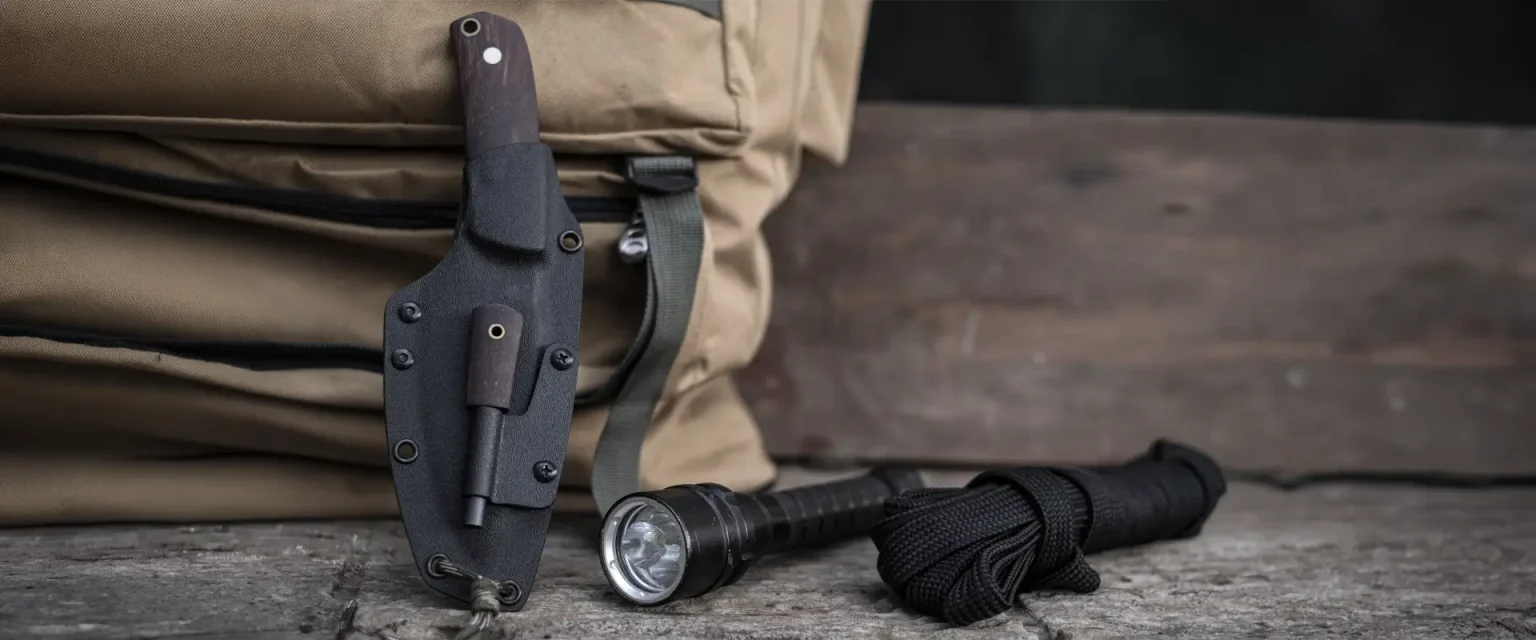
Yes, your phone has a flashlight. A dedicated flashlight is still better. Using your phone as your primary flashlight drains the battery you may need for communication, navigation, or emergency information. Modern EDC flashlights can be incredibly small while producing plenty of usable light.
Look for a flashlight that is:
- Compact
- Durable
- Water-resistant
- Easy to operate
- Rechargeable or uses commonly available batteries
A small flashlight is extremely useful during power outages, roadside emergencies, nighttime walks, building evacuations, or when something disappears under your car seat.
4. Pocket Knife or Multi-Tool
A good pocket knife is one of the most versatile EDC items you can carry where legal.
You might use it to:
- Open packages
- Cut rope or cord
- Prepare food
- Remove tags
- Cut tape
- Handle minor repairs
- Perform countless everyday cutting tasks.
A multi-tool expands those capabilities by adding tools such as pliers, screwdrivers, scissors, files, or bottle openers.
Which is better?
If you primarily need a cutting tool, carry a knife. If you frequently make repairs or want additional capabilities, a multi-tool may make more sense. Always understand your local laws and workplace policies before carrying a knife.
5. Basic First Aid Supplies
You probably don’t need a complete trauma kit on your belt while buying groceries. But carrying a few basic medical supplies makes sense.
A compact EDC first aid kit might include:
- Adhesive bandages
- Antiseptic wipes
- Gauze
- Medical tape
- Nitrile gloves
- Any personal medications you may need
These items can handle many of the minor cuts, scrapes, blisters, and injuries you’re far more likely to encounter. More advanced medical equipment can be added based on your training and circumstances. Carry medical gear you know how to use. Owning equipment isn’t a substitute for training.
6. Portable Power Bank
Our phones have become communication devices, maps, cameras, wallets, tickets, and emergency information centers. That makes keeping them powered important. A small USB power bank can provide enough additional power to get you through an unexpected delay, an extended power outage, a long travel day, or a roadside emergency. Remember to check and recharge your power bank periodically.
- A dead backup battery isn’t much of a backup
- A power bank isn’t particularly useful without the correct cable.
- A short charging cable takes almost no space and can stay permanently in your backpack, purse, briefcase, vehicle, or EDC pouch.
If you regularly carry multiple electronic devices, consider a compact multi-connector cable.
8. Pen and Small Notebook
It sounds old-school until your phone dies.
A small notebook and reliable pen allow you to record:
- Addresses
- Phone numbers
- Directions
- License plate numbers
- Vehicle information
- Measurements
- Emergency information
- Instructions
- Notes
They’re inexpensive, lightweight, and require no batteries or cell service. Sometimes analog wins.
9. Lighter
Even if you don’t smoke, a lighter can be a surprisingly useful EDC tool. It provides an immediate source of flame for lighting candles, starting fires, melting synthetic cord ends, or handling other everyday and emergency tasks. A disposable lighter is inexpensive, lightweight, and requires almost no pocket space. For anyone interested in preparedness, having a reliable way to create fire is worth considering.
10. Water
Water doesn’t mean carrying a giant survival canteen everywhere you go. A reusable water bottle is enough for most everyday situations.
Staying hydrated becomes particularly important during:
- Long drives
- Outdoor activities
- Hot weather
- Unexpected traffic delays
- Power outages
- Vehicle breakdowns
- Emergencies that require walking
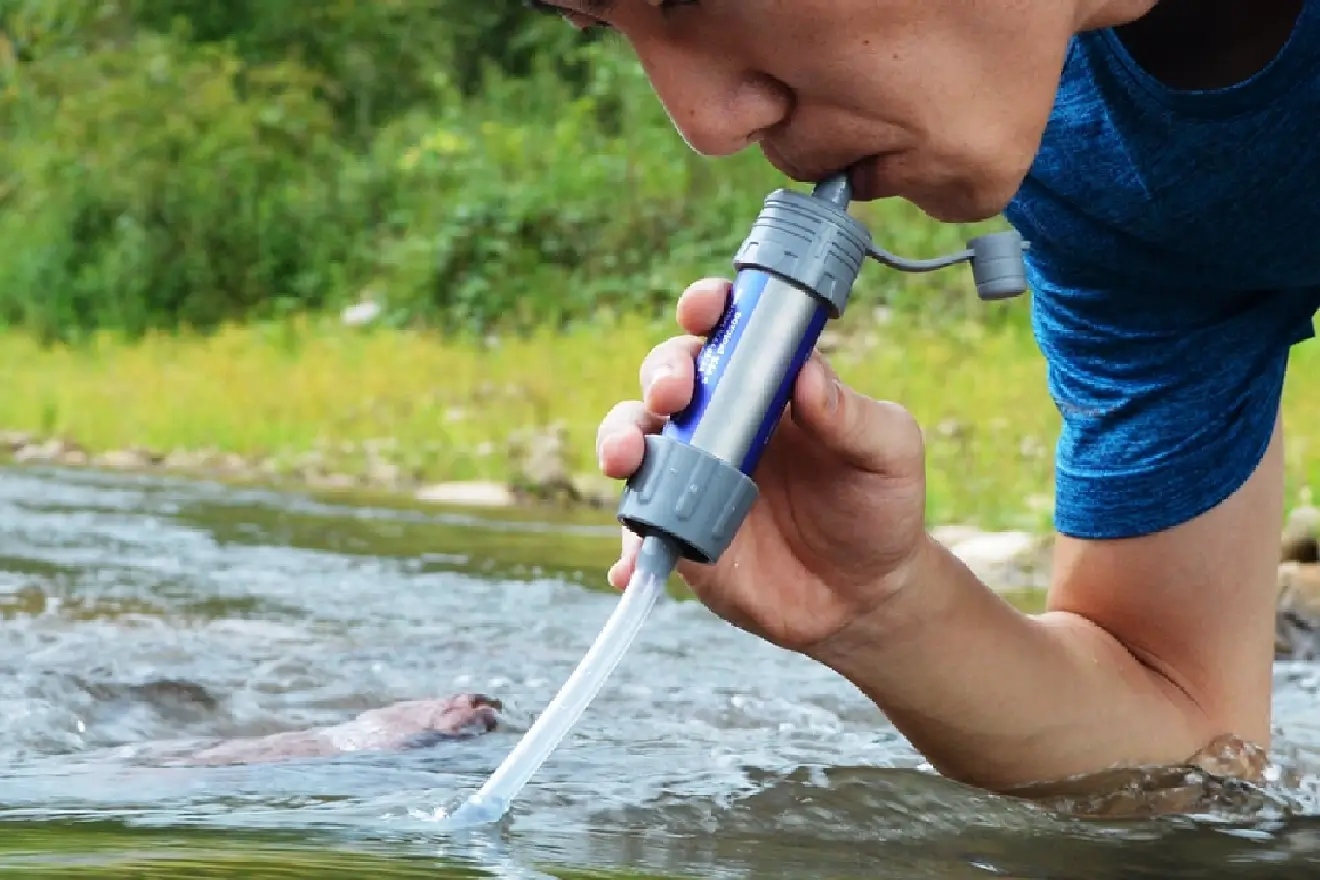
For longer trips or outdoor adventures, consider carrying additional water and a backup water treatment method.
11. Emergency Contact Information
Most of us have dozens or hundreds of contacts stored in our phones but can’t recite more than a few from memory. That’s a vulnerability.
Keep a small card containing important information such as:
- Emergency contacts
- Important phone numbers
- Relevant medical information
- Insurance information
If your phone is lost, damaged, or completely dead, you’ll still have access to critical information.
12. Personal Protection Tools
Personal security is part of preparedness, but the appropriate EDC option varies dramatically depending on the individual, location, training, and applicable laws. Options can range from situational awareness and personal alarms to other legally permitted defensive tools. Whatever you choose, understand the law, receive proper training, and know how to carry and use it safely.
Simply owning defensive equipment doesn’t automatically make you safer. Training, awareness, and good decision-making matter more than equipment.
Bonus: Build a Small EDC Pouch
Not everything needs to live in your pockets. A small EDC pouch can organize additional items inside your backpack, purse, briefcase, or vehicle.
You could include:
- Charging cable
- Power bank
- First aid supplies
- Lighter
- Pen
- Notebook
- Small flashlight
- Multi-tool
- Emergency cash
- Backup medications
- Hygiene items
Keeping these items together also makes it easier to move your essential gear between bags.
Don’t CarrDon’t carry gear just because the internet says you shouldht be the most important EDC rule.
Your Everyday Carry should be built around your actual life. Someone working in an office has different needs than a construction worker. A parent traveling with children has different priorities than someone hiking alone. Someone commuting five minutes through town has different needs than someone driving 60 miles through rural areas daily.
Ask yourself:
- What problems am I realistically likely to encounter?
- Then build your EDC around those problems.
- Don’t buy a specialized survival tool just because someone made a cool 30-second video about it.
- If you don’t know what something does, don’t carry it.
- If you’ve never practiced using it, learn.
- If you haven’t used an item in two years and can’t imagine a realistic scenario where you’d need it, reconsider whether it deserves space in your EDC.
The Three Levels of Everyday Carry
You don’t need to carry everything on your body.
Think about your EDC in three layers.
Level 1: On Your Body
These are the essentials you almost always have: Phone, wallet, keys, flashlight, knife or multi-tool, and other compact personal items.
Level 2: Your Bag
Your backpack, purse, sling bag, or briefcase can expand your capabilities with medical supplies, power banks, cables, water, food, and additional tools.
Level 3: Your Vehicle
Your vehicle can carry significantly more emergency equipment, including water, food, blankets, recovery equipment, jumper cables, tools, seasonal clothing, and a larger first aid kit.
This layered approach gives you access to useful gear without carrying 20 pounds of equipment everywhere.
FAQ: Everyday Carry Essentials
What does EDC stand for?
- EDC stands for Everyday Carry, meaning the essential items and tools a person regularly carries throughout their daily life.
What are the most important EDC items?
- For most people, essential EDC items include a smartphone, wallet and identification, flashlight, pocket knife or multi-tool where legal, basic first aid supplies, charging equipment, water, and emergency contact information.
Do I need an EDC backpack?
- No. Your basic Everyday Carry can fit inside your pockets. However, a small backpack, sling, purse, or EDC pouch allows you to carry additional emergency supplies without overloading your pockets.
How much EDC gear should I carry?
- Carry enough gear to solve realistic problems without unnecessary bulk. If your EDC becomes so heavy or inconvenient that you stop carrying it, you’ve defeated the purpose.
What’s the difference between EDC and a survival kit?
- EDC gear is designed for everyday problems and immediate emergencies. A survival or emergency kit usually contains more supplies intended to support you during longer or more serious situations.
The two should complement each other.
Build an EDC You’ll Actually Carry
The best EDC isn’t the setup with the most gear. It’s the one that’s actually with you when you need it. Start with the basics. Identify the problems you’re most likely to encounter. Add equipment that solves those problems. Learn how to use everything you carry. Then periodically reevaluate your setup. Your Everyday Carry should evolve with your lifestyle, environment, skills, and experience.