Finding a dead battery in a parking lot is annoying, but having one on a back road at midnight when the temperature is freezing can turn into a serious emergency. Preparedness is most important in your vehicle since breakdowns, flat tires, accidents, severe weather, road closures, and being stranded can happen with little notice.
A well-constructed car emergency kit helps you deal with common roadside problems, keep safe, and stay comfortable until you can move again or help arrives. The following items should be included in your car emergency kit and the reason why each one has a rightful place.
1. Water
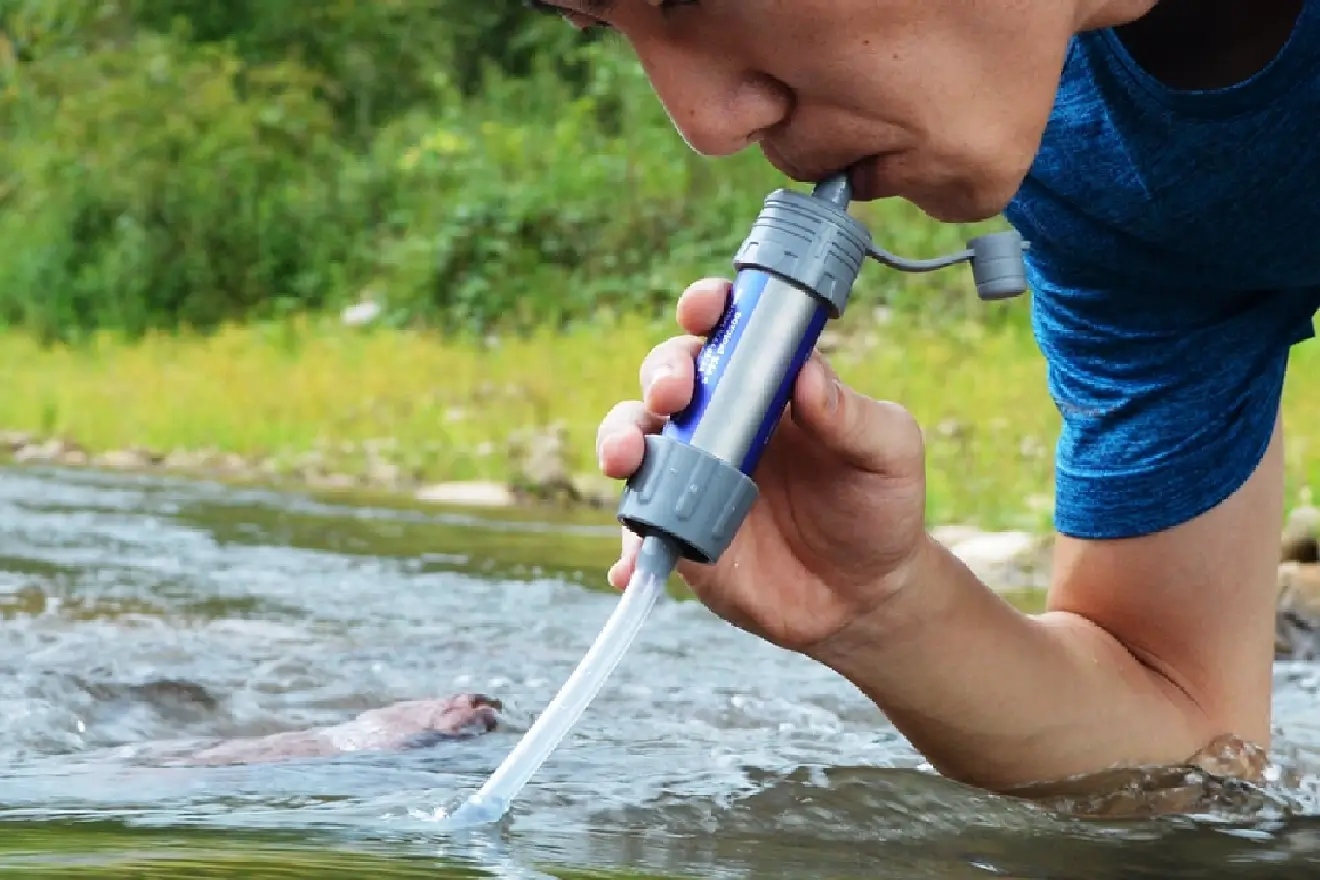
Water should be one of the first things to consider when assembling an emergency kit. Make sure that your car always has an adequate amount of drinking water, particularly if you’re traveling in remote areas. If you’re going on a long journey, it’s a good idea to include a portable water filter or another method of water purification as a backup. Both high and freezing temperatures can affect containers and stored water, so regularly check and rotate your supply.
Consider packing:
- Bottled or packaged emergency water
- Collapsible water container
- Portable water filter
- Water purification tablets
2. Emergency Food
You don’t need a week’s supply of food for your daily commute, but having some shelf-stable calories is helpful if you spend an unexpected night on the road. Select foods that need little or no preparation and that are good for storage.
Good options include:
- Energy or protein bars
- Trail mix
- Nuts
- Jerky
- Emergency food bars
- Ready-to-eat meals
Make it a habit to check expiry dates and replace items that aren’t suitable for temperature changes inside your vehicle.
3. First Aid Kit
All vehicles ought to have a first aid kit. Minor injuries may occur when an accident takes place, when changing a tire, when hiking to get help, or simply when working around a disabled vehicle.
A useful first aid kit should include supplies such as:
- Adhesive bandages
- Gauze
- Medical tape
- Antiseptic wipes
- Disposable gloves
- Trauma shears
- Elastic bandages
- Basic wound-care supplies
Most important is to learn how to use what you have; a large medical bag is useless if you don’t know what’s inside.
4. Flashlight and Headlamp
Cars often break down at the most inconvenient times. Make sure you have at least one reliable flashlight in your emergency car kit, and a headlamp is actually better when doing things like changing a tire since it keeps both hands free.
Take extra batteries or go for a rechargeable lamp that has a reliable alternative power source.
5. Jumper Cables or a Portable Jump Starter
A dead battery is one of the most frequent problems on the side of the road. Traditional jumper cables are cheap and reliable, but they do need another car. A portable battery jump starter can help you get going without waiting for someone else. Many current jump packs can also charge phones and other USB devices.
If you have one, regularly check that it is charged. A dead jump starter next to a dead car battery is a striking irony.
6. Equipment for repairing and inflating tires
A flat spare tire is of little use, and many newer vehicles have no traditional spare tire at all.
Your roadside emergency kit should include:
- Tire pressure gauge
- Portable tire inflator
- Tire plug or repair kit
- Proper jack
- Lug wrench
- Wheel chocks
- Work gloves
You should also know the location of your spare tire and how to reach it.
Spend ten minutes at home practicing with your vehicle’s jack since the shoulder of a rainy interstate is not a good place to learn.
7. Basic Tools
A complete mechanic’s toolbox is unnecessary since simple tools can handle common problems.
Consider carrying:
- Multi-tool
- Screwdrivers
- Adjustable wrench
- Pliers
- Utility knife
- Duct tape
- Zip ties
- Electrical tape
- Work gloves
Temporary fixes may not be attractive but only need to get you to a safer place.
8. An emergency blanket and warm clothing
A cold weather situation can turn a simple breakdown into a dangerous one. In colder months, keep an emergency blanket, warm clothing, gloves, and a hat in your car. If you often travel rural areas, consider a compact sleeping bag or thicker blanket.
Don’t assume you can always use your vehicle’s heater since mechanical faults, a dead battery, or running out of fuel could prevent it.
9. Rain clothing and poncho
Roadside emergencies often seem to happen during bad weather. A light rain jacket or an emergency poncho occupies only a small amount of space and makes changing a tire or checking your vehicle much less unpleasant.
A small tarp can be used to provide temporary shelter or for working on a dry surface.
10. Road flares or emergency warning lights
Being stranded is not the only danger since other drivers might not see you.
Keep high-visibility equipment in your car emergency kit, especially if you frequently drive at night.
Consider:
- Reflective warning triangles
- LED road flares
- High-visibility vest
- Put warning devices where approaching traffic has enough time to see your disabled vehicle while you stay safely clear of traffic.
11. Fire Extinguisher
A small fire in a vehicle can be dealt with using a compact fire extinguisher that is suitable for use in automobiles. Store it where you can easily access it instead of hiding it under other items in your trunk.
If the fire in the vehicle is already spreading or if it is unsafe to approach the vehicle, then you should move away from it and get in touch with emergency services instead of trying to put the fire out yourself.
12. A phone charger and backup power
Your phone can offer navigation services, weather warnings, emergency communication facilities, roadside assistance, and location information. That means that keeping it powered should be a priority in terms of preparation.
Carry:
- Vehicle charging cable
- 12V USB adapter
- Download maps offline if you travel to areas where cell service may be unreliable.
13. Paper Maps
GPS is great until your phone runs out of power, the service disappears, or the app stops working. Make sure you have a road map of the state and of any areas where you often travel. When taking long road trips, take with you maps that cover the route you’ll be traveling.
Old-school doesn’t mean useless.
14. The tow strap and recovery equipment
Basic vehicle recovery equipment can be very useful if you often travel on rural roads, trails, campsites, or in winter conditions.
Depending on your vehicle and experience, that might include:
- Properly rated recovery strap
- Traction boards
- Folding shovel
- Recovery points appropriate for your vehicle
To use recovery equipment correctly, serious injury or damage to the vehicle could result from improper recovery, so get training before using unfamiliar equipment.
15. Seasonal Emergency Gear
The composition of your car emergency kit should vary from month to month.
Winter Car Emergency Kit
Consider adding:
- Ice scraper
- Snow brush
- Folding shovel
- Warm gloves
- Winter hat
- Extra socks
- Hand warmers
- Blanket or sleeping bag
- Traction aids
Summer Car Emergency Kit
Consider adding:
- Additional water
- Sunscreen
- Hat
- Electrolyte drink mix
- Cooling towel
- Insect repellent
Your surroundings decide what equipment you need.
A person who commutes around Pittsburgh in January has quite different problems from someone traveling through Arizona in July.
16. Cash and Significant Information
Keep a small amount of emergency cash somewhere secure. You might come across a gas station, a toll booth, a vending machine, a campground, or a small business that does not offer electronic payment.
It’s also smart to have important information available offline, including:
- Emergency contacts
- Insurance information
- Roadside assistance number
- Basic medical information
- Vehicle information
Build Your Car Emergency Kit Around Problems, Not Products
A major mistake when it comes to preparing for emergencies is buying a ready-made emergency kit, putting it in the trunk, and then thinking you are properly prepared.
Instead, ask yourself: What problems am I actually trying to solve?
Your car emergency kit should help you:
- Stay hydrated
- Stay warm or cool
- Treat minor injuries
- See in the dark
- Signal for help
- Charge communication devices
- Repair or inflate a tire
- Jump a dead battery
- Handle minor vehicle problems.
- Stay safe until help comes.
After you have determined what the problems are, select equipment that is capable of addressing them.
So learn how to use it.
Where should you keep your car emergency kit?
Put your equipment into a sturdy backpack, tote, crate, or vehicle organizer. However, avoid putting all of it in a single container that is inaccessible.
Items you may need immediately should be easy to reach. For example, you don’t want your flashlight or reflective vest buried underneath luggage when you’re stranded along a dark highway.
Group the equipment by function so you can easily find what you need.
How frequently should you check your emergency car kit?
You should check your kit at least a few times each year, preferably when the seasons change.
Check:
- Food expiration dates
- Water containers
- Batteries
- Flashlight operation
- Power bank charge
- Jump starter charge
- First aid supplies
- Fire extinguisher condition
- Tire inflator
- Spare tire pressure
- Seasonal clothing
Being prepared isn’t just about having the equipment; it’s about ensuring that the equipment functions when you really need it.
Frequently Asked Questions About Car Emergency Kits
What should you keep in your car for emergency purposes?
- The least you should do is to take water, a first aid kit, a flashlight, a phone charger, jumper cables or a jump starter, tire equipment, basic tools, warning devices, and clothing or blankets suitable for the weather.
Should every person have a car emergency kit?
- Certainly. Even if your main route is through inhabited areas, you can still end up stranded unexpectedly due to breakdowns, severe weather, accidents, and road closures.
A premade kit may be a good starting point, but it does not include all the equipment you’ll need. Examine each item, learn how it works, and add equipment based on your vehicle, climate, travel habits, and skill level.
How much water should I have in my car?
- The amount you need varies by climate, passengers, and distance from populated areas. Carry enough supplies for a reasonable delay and more if traveling through remote or hot regions.
Should I keep a survival kit in my car?
- Certainly, if you regularly travel in remote areas. A simple roadside kit mainly deals with vehicle troubles, whereas a car survival kit increases your abilities by including extra water, food, shelter, navigation tools, fire-starting equipment, and other necessary survival items.
Your Car Emergency Kit Should Buy You Options
- Being prepared does not mean having every survival gadget. A well-chosen car emergency kit can turn a dangerous situation into an inconvenience. Start by considering likely problems, select reliable equipment, and practice using it.
Don’t wait until you’re standing beside a disabled vehicle at 2:00 AM to discover that you don’t know how your jack works.
Build your kit. Learn your gear. Stay ready.